
If Hanoi Metro service is disrupted during your journey, follow uniformed station staff and official announcements before choosing an alternative. Do not bypass barriers, enter a restricted area, or invent an exit route. Once staff directs you to a normal exit or safe waiting area, rebuild the journey from the station where you actually are.
Record the line, current station, intended destination, and any instruction about which stations or section are affected. Check Hanoi Metro’s current passenger information and ask staff whether service is suspended, delayed, or operating only on part of the line. Then compare a verified bus route, licensed taxi or app-booked car, and a safe walking connection.

Respond to the station, not an old plan
Your original map may assume normal through-service. During disruption, the useful facts are the station currently open to passengers, the affected direction or section, and the exit or interchange staff identifies. A train standing at the platform does not prove that it will continue to your destination.
Listen for announcements and watch official displays, but ask uniformed staff when language or crowd noise makes the instruction unclear. Show the destination name on your phone and use a short question: “Which safe exit or alternative should I use for this destination?”
Keep the immediate movement safe
Stay behind platform markings, keep clear of closing doors, and do not board after staff stops entry. Hanoi Metro’s passenger safety guidance tells travelers to follow station staff and avoid forcing doors or unsafe boarding.
If passengers are asked to leave a train, take every bag and keep companions together. Move in the directed flow without stopping on stairs, escalator landings, or gate lines. Use lifts or request assistance when mobility, luggage, children, or another constraint makes the directed path difficult.
Never enter a track area, service corridor, staff room, or closed stairway. An unofficial shortcut can expose you to operational hazards and take you away from the help point.
Clarify the service boundary
Ask what is still running
Determine whether the problem affects one train, one direction, several stations, or the whole line. Ask whether trains are turning back at a station and whether staff expects passengers to transfer. Do not convert an estimated restart into a guaranteed time.
Ask where the normal passenger exit is
Use the exit identified by staff, especially if some gates are closed. If your ticket, card, QR, or bank card does not work at the instructed exit, go to the staffed point and preserve the original travel medium. Do not tailgate.
Ask how the ticket will be handled
Do not assume a metro ticket is accepted on a bus or that a taxi cost will be reimbursed. Follow the current operator instruction for exit, adjustment, or later support and keep any receipt or case reference.
Build a bus alternative
Transerco’s official Tìm Buýt information can provide routes, stops, timetables, frequency, and arrival information. Search from the actual metro station or a nearby valid bus stop to the destination. Confirm the full route number, direction or terminus, boarding stop, and alighting stop.
Check for a current bus notice because the same road conditions may affect surface transport. Frequency is an expected interval, not a guaranteed pickup minute. Add time for leaving the metro, walking to the stop, waiting, interchanging, and reaching the final address.
Use a designated pedestrian crossing. A bus stop visible across a divided road may serve the wrong direction or be unsafe to reach. Ask uniformed staff or the official bus support channel when the physical stop and route view disagree.
Build a taxi or app-car alternative
Choose a normal street exit and a legal pickup point outside the passenger flow. Confirm the destination address, vehicle plate, and driver details in the official booking method. Do not accept an unsolicited ride from someone using the disruption to approach passengers.
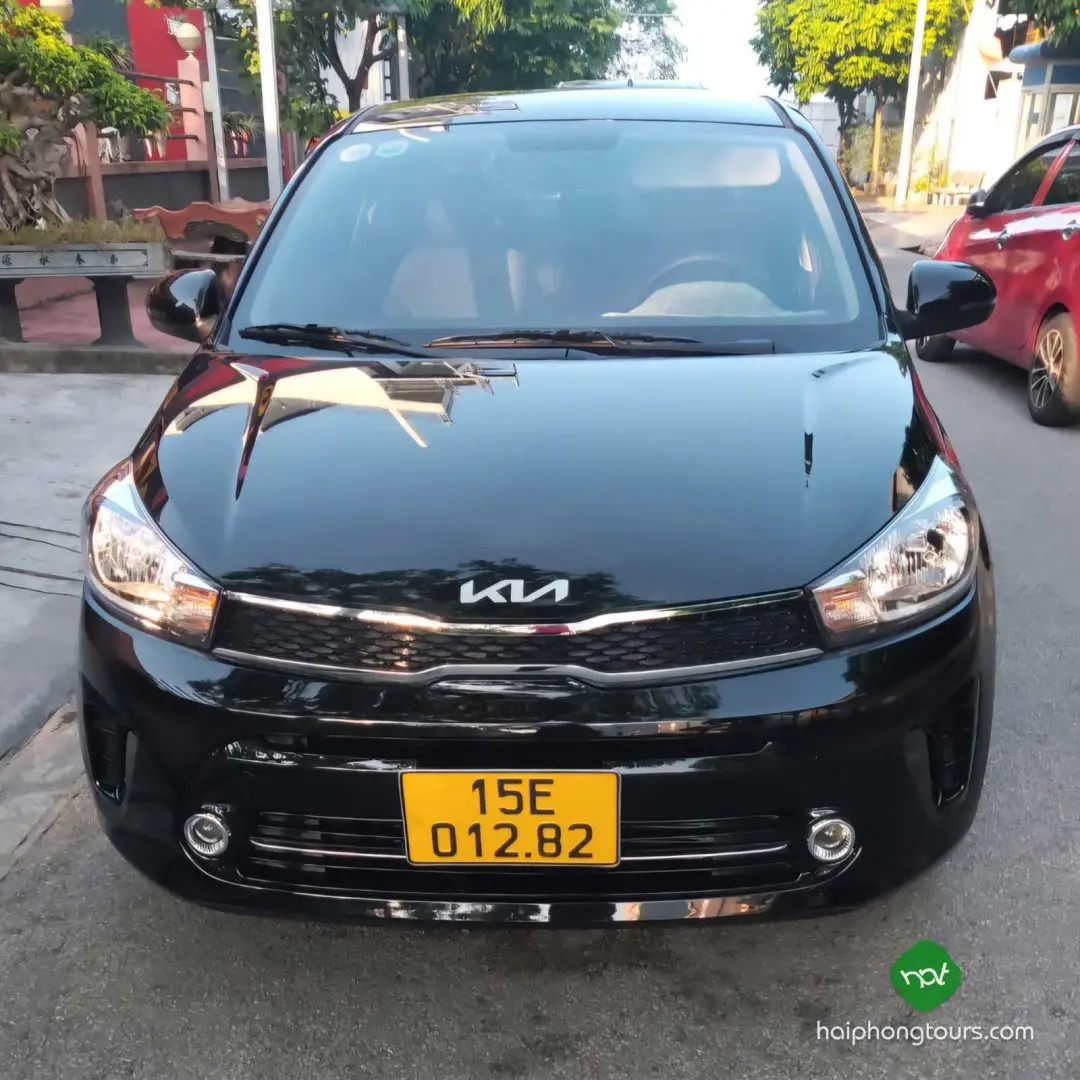
Heavy crowds may increase the wait. Move to a well-lit public pickup area without blocking traffic. With luggage or children, keep the group together and do not let one person leave alone to chase a vehicle.

Use walking only for a suitable last leg
Walking may work when the destination is nearby, the route uses normal public sidewalks and crossings, weather is manageable, and every traveler can complete it. Check the exact distance and street route from the actual exit, not from the station center marker.
Reject the walk when it requires a motorway-like road, unlit path, construction zone, restricted area, flooded section, or difficult stairs. Heat, rain, poor air, luggage, children, and limited mobility can turn a short map distance into an unsuitable fallback.
Hai Phong Tours advises protecting the fixed meeting time of any separate booking by choosing the fallback early. The company does not control metro restoration or municipal-bus operation, so use the operator’s current instruction and give the other provider a realistic arrival update.
Set a wait-or-leave cutoff
Waiting can be sensible when staff confirms that service continues, the affected section is limited, and your schedule has margin. Leaving is safer for the plan when no reliable restart information exists or a fixed connection is approaching.
Do not keep extending the wait by a few minutes based on rumors. Use official information, then decide once. If you leave, follow the ticket-exit procedure before changing mode.
Protect personal and payment data
Use official apps and verified operator channels. A person offering disruption updates does not need your passport image, bank PIN, one-time code, or unlocked phone. Keep screenshots of official notices and receipts, but avoid posting full ticket or card details publicly.
Final alternative-route checklist
- Current station and affected direction confirmed;
- uniformed staff instruction followed;
- authorized exit and ticket treatment understood;
- bus direction and stop verified, or taxi pickup confirmed;
- walking path checked for safety and suitability;
- new arrival time calculated; and
- personal and payment data protected.
A disruption recovery begins with safe station movement, not with the fastest-looking map line. Follow staff, leave through the authorized route, and build the next leg from verified surface-transport information and the constraints of the people traveling with you.
Useful guides for your trip
Would you like help fitting this experience into your trip? Contact us with your travel dates, starting point, available time and group size. Tell us about walking limits or special interests so we can suggest a practical itinerary.