
Use Hanoi Metro with a stroller only after planning the station handoff, gate, lift, platform, and train-door sequence. Official passenger guidance tells adults with strollers to ask station staff for help. Keep the child secured during movement and follow the access path staff identifies.

Do not rush a closing train door. If crowding, an unavailable access element, or the boarding window makes the movement unsuitable, wait for another service or use a confirmed road fallback. Renting or owning a stroller does not by itself make every station movement practical.
Confirm the complete metro journey
Write down the origin and destination stations, line, direction, and intended street exit. Save them offline with the final address. A station name alone may not identify the most practical entrance or the exit nearest the onward destination.

Check current network information and same-day notices. Published normal hours are 05:30 to 22:00, but access and service information can change.
Reduce the load before reaching the station
Count the stroller, child, diaper bag, suitcases, and every item an adult must manage. Keep essential items in one closed bag rather than several loose pieces. Do not hang a heavy load where it can destabilize the stroller on a ramp or lift threshold.
Decide which adult controls the stroller and which handles other luggage. A solo adult should avoid a plan that requires carrying the stroller, child, and several bags at once.
Ask staff which entrance to use
At the station, follow current signs and ask uniformed staff for the instructed access route. Do not assume the nearest stairs have an adjacent working lift or that every entrance reaches the platform in the same way.
If a road vehicle drops the family nearby, confirm the legal stopping point and walking route. A curbside arrival is not complete until the stroller can reach the station entrance safely.
Request help before the gate
Ask station staff before entering a crowded fare-gate line. Explain that the group has a stroller and child, and follow the gate path they provide. Keep tickets or fare media ready so the group does not block the access route while searching through bags.
Agree on how accompanying adults pass through and where they regroup immediately beyond the gate. Do not send the stroller ahead without the adult controlling it.
Keep the child secured during movement
Use the stroller as intended and keep the child supervised. On lifts and through gates, apply the brake when stopped and keep hands on the stroller. Do not place the child on a platform seat while the stroller and luggage move separately.
If staff instructs the family to fold or reposition the stroller, organize the child and bags first. Never attempt a complicated change beside a platform edge or closing door.
Use the instructed lift and platform path
Follow staff and signs to the correct lift. Wait for enough space rather than pushing into a full car. Keep wheels away from the door track and let exiting passengers clear before entering.
On the platform, remain behind the safety line and choose a waiting position that allows a straight approach. Avoid weaving across passengers when the train arrives.
Make a deliberate boarding decision
When the train arrives, assess crowding and the available doorway. If the path is blocked or the family cannot board as one group, wait. A short delay is better than separating the child, stroller, and supervising adult.
Official guidance says not to board after doors begin closing. Stop immediately when the closing sequence begins. Do not hold the doors or push the stroller through the narrowing gap.
Position the stroller inside the train
Move clear of the doorway while keeping the child supervised. Apply the brake when the stroller is stationary and hold it through acceleration and braking. Keep bags from rolling or blocking movement.
Prepare for the destination before arrival. Reorganize bags early without moving toward the door so soon that the stroller blocks passengers.
Exit as one group
Wait until the train stops and passengers begin clearing. Move the stroller and supervising adult together through the door. If the exit becomes unsafe or the doors begin closing, follow staff instruction rather than forcing the movement.
After alighting, move away from the platform edge and recheck the child and bags before proceeding to the lift.
Plan the street-level handoff
Confirm the destination exit and the route to the final address. Check crossings, steps, uneven pavement, and the legal pickup point if a taxi or other road vehicle completes the journey.
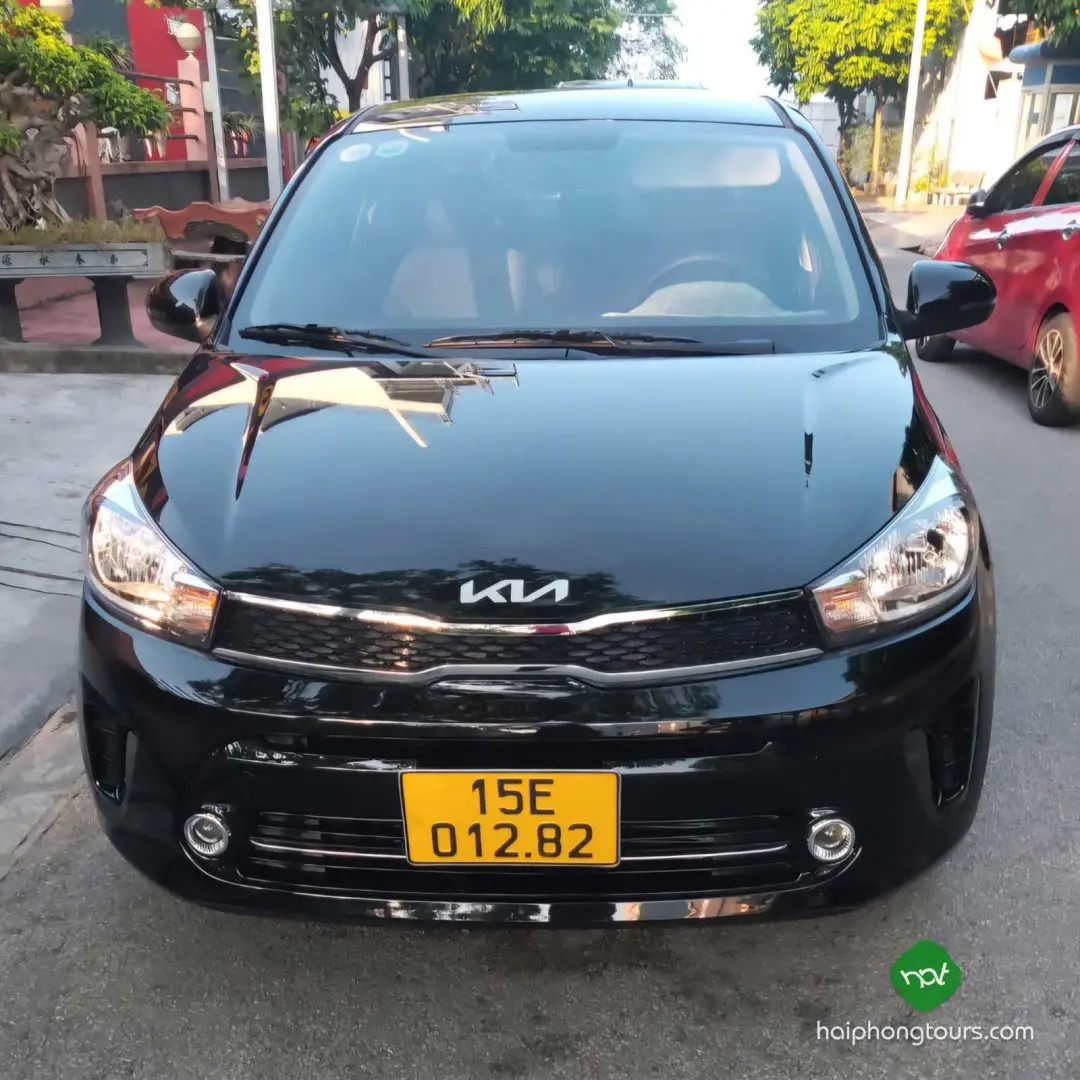
Keep the destination written in Vietnamese and English. Do not accept an unsolicited vehicle merely because the family is carrying a stroller and appears to need help.
Use official support and a fallback
Hanoi Metro offers station assistance and official passenger-support channels. Use official channels for unresolved station or access questions and follow uniformed staff on site.
If access equipment, crowding, or the child’s condition makes the trip unsuitable, return to a staffed area. Arrange a legitimate road fallback with a clear pickup point, stroller and luggage capacity, and exact destination.
Tell the road provider that a stroller and child are traveling, and confirm that the folded or open stroller fits the vehicle as required. Keep the metro fare decision separate from this fallback booking.
Stroller metro checklist
- Origin, destination, line, and exit confirmed;
- stroller and bags reduced to a manageable load;
- staff asked for the access route;
- child secured through gate and lift movement;
- family kept together on the platform;
- crowded train skipped when needed;
- closing doors never rushed;
- street-level exit and fallback planned.
Hai Phong Tours does not operate Hanoi Metro or provide station assistance. Use current official guidance and uniformed staff, and treat the stroller journey as a coordinated gate, lift, platform, boarding, exit, and road-fallback decision.
Useful guides for your trip
Would you like help fitting this experience into your trip? Contact us with your travel dates, starting point, available time and group size. Tell us about walking limits or special interests so we can suggest a practical itinerary.