
Use this route plan for a business traveler leaving Hilton Garden Inn Hanoi for Noi Bai Airport after meetings, when room checkout, invoices, work equipment, luggage, and the correct flight terminal must be coordinated. Confirm pickup at the guest vehicle entrance for 20 Phan Chu Trinh Street and identify T1 or T2 from the current flight record.
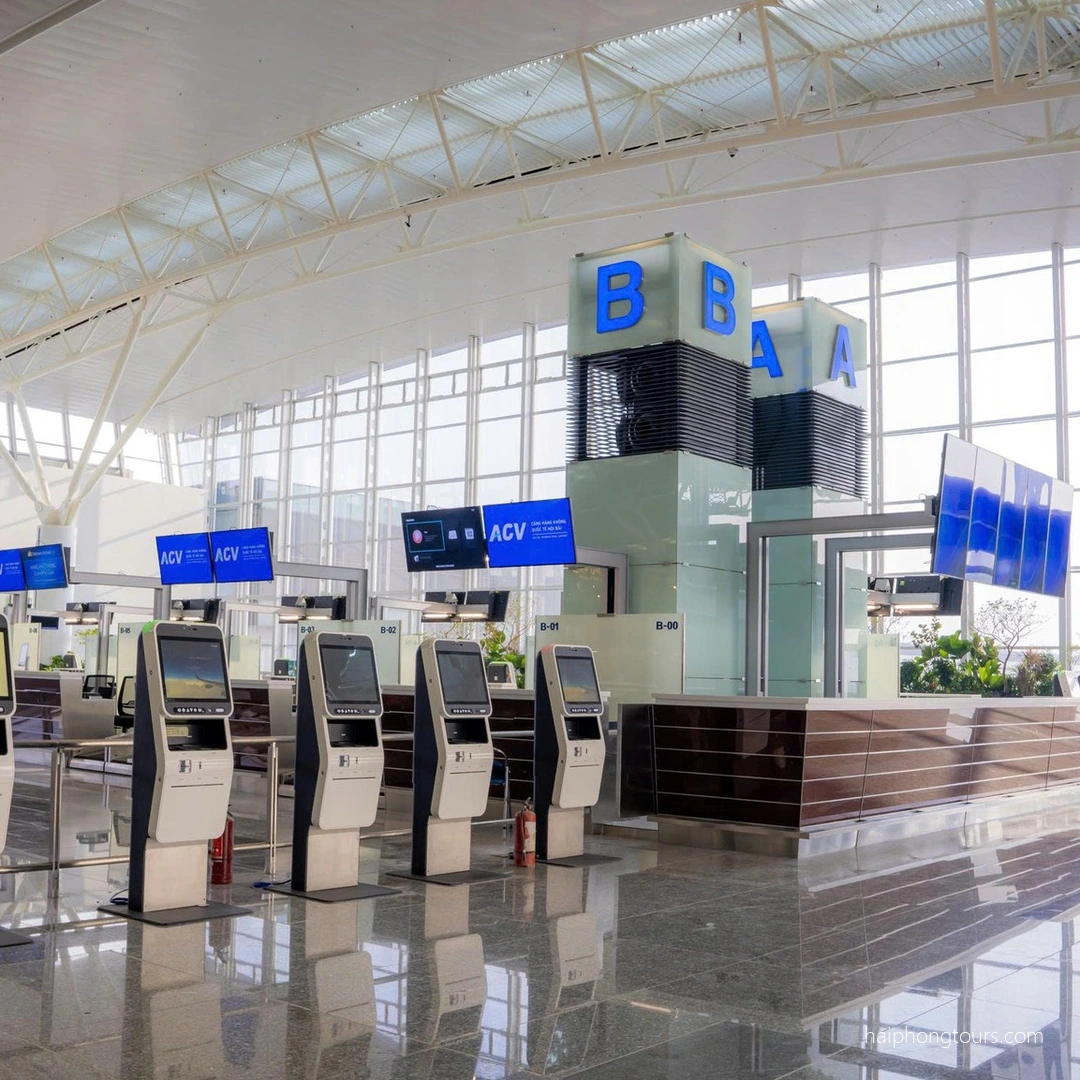
Set a hard room-departure time before the car time. Build backward from the airline’s check-in instruction, then protect separate time for account settlement, loading, the road journey, terminal unloading, and finding the live counter. International passengers departing through Terminal 2 should account for Noi Bai’s advice to arrive at least three hours before departure.

Close the business stay before the vehicle arrives
Request the invoice and settle extras before the departure window. If a company name, tax detail, or payment split matters, resolve it earlier rather than at the curb. Ask which guest entrance the vehicle may use and place that door in the booking. A traveler who is waiting for paperwork is not ready for pickup.
Keep the laptop, chargers, travel documents, medication, and any sensitive work material in cabin baggage under the traveler’s control. Count large cases separately. If equipment is unusually fragile or oversized, tell the provider before vehicle assignment and ask the airline how it must be presented.
Let the flight record choose the terminal
Use the airline, flight number, departure date, and current booking to identify the terminal. Do not infer the terminal from destination alone and do not accept “Hanoi airport” as a complete drop-off instruction. A codeshare or schedule change can alter the operating details, so recheck on the day of travel.
Send the provider the terminal and flight number together. Ask for a repeated confirmation. If the airline changes the terminal, update the driver directly and keep the new notice accessible. The driver’s previous airport experience does not override the current booking.
Separate meeting time from airport time
A meeting that is scheduled to finish shortly before pickup can overrun. Decide in advance which part can be shortened and who has authority to end it. The airport margin should not depend on every discussion finishing exactly on time. Move calls that can be taken from the vehicle only when privacy and safety allow.
Ask the provider for a current road estimate for the pickup hour but treat it as planning information. Add hotel loading and terminal processing independently. Congestion, weather, road controls, or a delayed car can change the road portion. A confident estimate does not replace the airline deadline.
Confirm capacity without exposing sensitive bags
State the passenger count and the number and approximate size of bags. A solo traveler may still need a larger vehicle when carrying display material or multiple checked cases. Ask where fragile items can be secured. Never leave a laptop or documents unattended in the lobby while the vehicle is being loaded.
Before departure, check the flight, terminal, phone battery, passport or identity document, and bag count. Ask the driver to repeat the terminal. Keep one lead contact active and avoid sending different instructions from a colleague, hotel desk, and passenger at the same time.
Use a two-stage fallback
First, set a confirmation cutoff when the assigned car and driver details should be known. Second, set a dispatch cutoff when the hotel must help start another vehicle if the original is absent. A replacement must accept the luggage and terminal instruction. The fallback is useful only if it starts before the airport-arrival margin is consumed.
- Pickup: Hilton Garden Inn Hanoi, 20 Phan Chu Trinh Street, confirmed guest door;
- Flight: airline, number, date, terminal, and check-in deadline;
- Work items: laptop and documents kept with the traveler;
- Hotel tasks: invoice, payment, luggage, and checkout completed;
- Recovery: confirmation and dispatch cutoffs written down.
Plan for a flight update during the transfer window
A schedule alert does not automatically mean the pickup should move. Check whether the airline changed only the time, also changed the terminal, or issued a new check-in instruction. Contact the airline or booking channel when the message is unclear, then update the vehicle provider with the confirmed operational detail.
If colleagues use different flights, do not combine them into one movement merely because departure times look close. Compare terminals, check-in deadlines, baggage, and the risk to the earlier flight. Separate vehicles can be safer when one traveler’s delay would consume another’s airport margin.
Keep the airline alert channel available at the hotel door. The lead traveler should be able to receive a terminal change without searching several messaging threads while the driver waits.
Last business check: forward the final invoice or receipt to the correct recipient before leaving, but avoid sending sensitive material over an untrusted connection. Confirm that presentation devices, company property, and charging cables are accounted for. This small inventory prevents an airport turnaround to recover equipment from the room or meeting space.
Finish at the correct terminal curb
At Noi Bai, unload into one controlled area and count bags before the car departs. Compare the terminal signage with the current flight record. If it does not match, resolve the discrepancy before leaving luggage on the curb. Proceed to the airline’s current counter rather than relying on a remembered location.

Hai Phong Tours is not linked here because the named hotel pickup is not verified inside a current airport-product scope. This article’s distinct purpose is the business-departure sequence: close the stay, protect sensitive equipment, confirm the terminal, and preserve a fallback without inventing a guaranteed drive time.
Useful guides for your trip
- How to pay for Hanoi buses: Cash, QR tickets and passes
- Hanoi Bus Stations: My Dinh, Giap Bat, Nuoc Ngam and More
Need help with airport transfers or the rest of your Vietnam trip? Contact us with your confirmed flight details, destination and travel dates to discuss a suitable ground transfer or sightseeing plan.