
If you are in Lao Cai on a Thursday, you do not need to wait for Bac Ha’s Sunday market to see a working highland gathering. Lung Khau Nhin offers a different route into the hills, with food, farm goods and the ordinary business of the surrounding communities.
Lung Khau Nhin Market meets on Thursday morning in the Muong Khuong area. Start from Lao Cai if you can, arrange the outward and return transport together, and make the market the main purpose of the morning. A late arrival or an ambitious sequence of distant stops can leave you looking at stalls being packed away.
Find the right market, on the right day
Show the driver the name Chợ Lùng Khấu Nhin, also written Lùng Khấu Nhìn in some local material. Ask the organizer to confirm that week’s session and the exact market pin. Administrative names may change while the market’s familiar name remains in use.
This is not Cao Son’s Wednesday market or Muong Khuong’s Sunday market. Staying in the same general region does not make their market days interchangeable.
Vietnam’s tourism reporting identifies Thursday as the weekly session. Sapa O’Chau’s published market tour also uses Thursday, describing activity from around 07:30 into the early afternoon. Treat that as a morning-planning guide, not a guarantee that every trader stays until a fixed closing time.
Why a Lao Cai start usually makes more sense
Starting in Lao Cai removes the additional Sapa-to-Lao Cai road stage from the morning. It also allows a simpler return if your next destination is elsewhere rather than back up to Sapa. Decide the final drop-off before comparing tour prices.
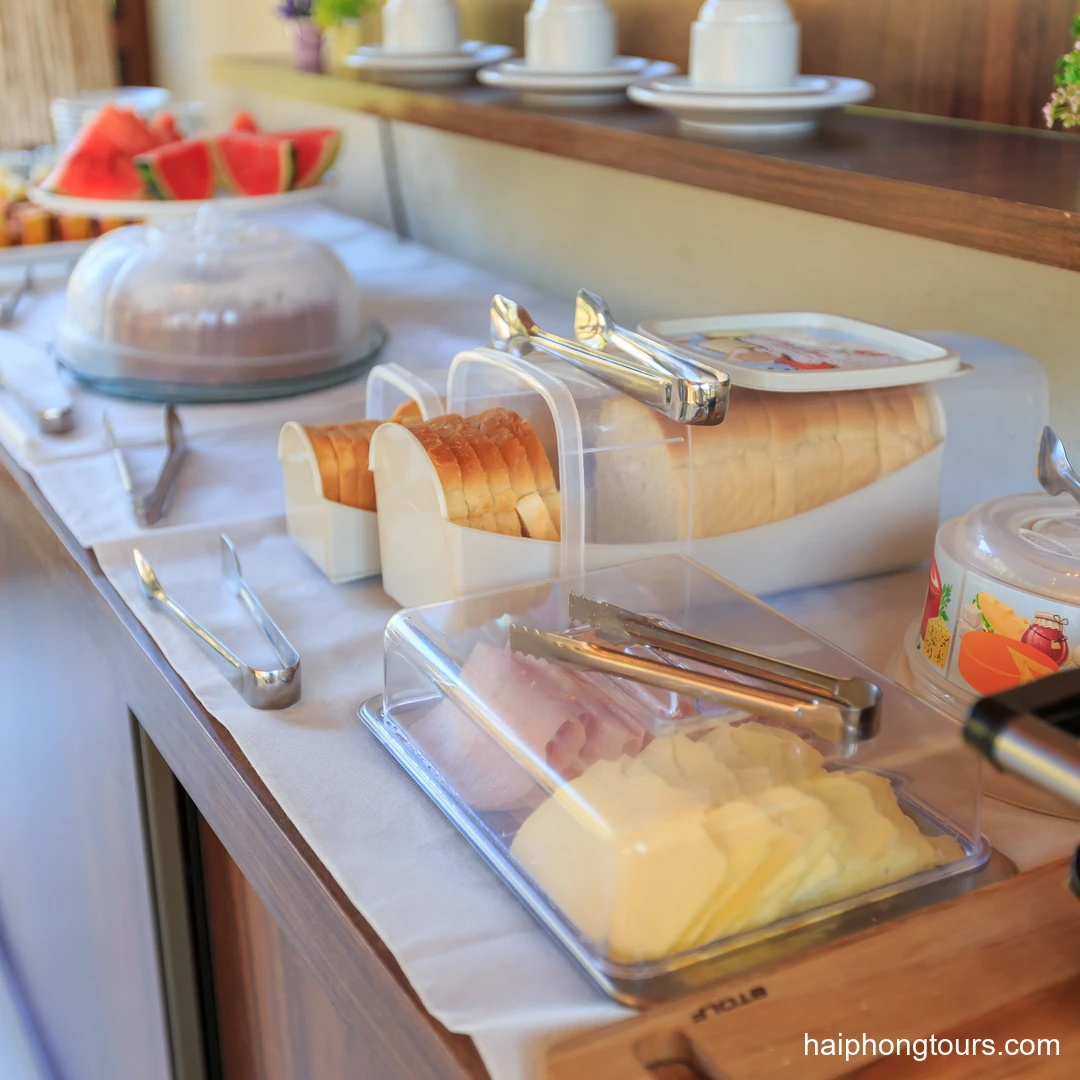
A Wednesday night in Lao Cai is the least rushed arrangement. You can have breakfast, leave your main luggage at the hotel if agreed and meet the vehicle at a clearly identified entrance. The Lao Cai stopover guide helps with that overnight.
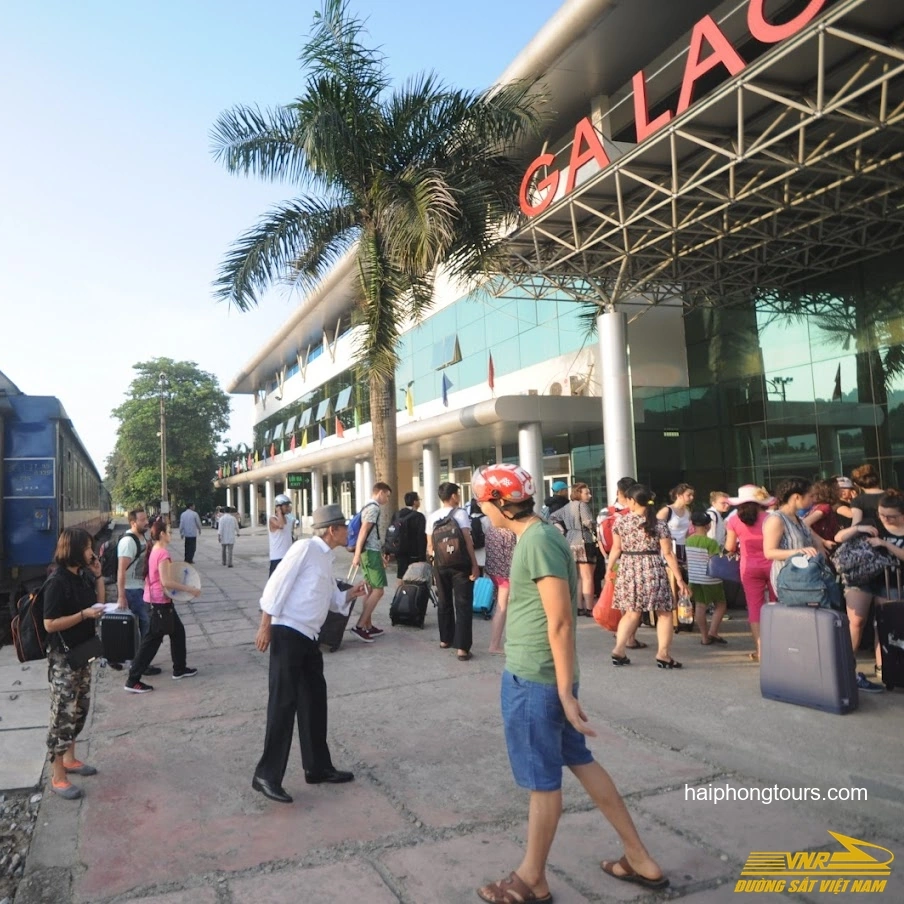
An overnight train arriving on Thursday can also be considered, but only if the organizer accepts the actual train and has a plan for a delay. Confirm where you will meet, whether you can get breakfast and what happens to your luggage. Do not purchase a market excursion assuming a train’s scheduled arrival is a guaranteed handover time.
A real tour option and what its price means
Sapa O’Chau publishes a Lung Khau Nhin itinerary with starts and finishes in Sapa or Lao Cai, a market visit and a Muong Khuong-area extension. Its advertised starting price is US$41 per person for a small group of six, including a guide, private transport, lunch and village entrance fees; drinks, personal insurance and tips are excluded.
That is a published reference offer, not a promise that one solo traveler can book the same price every Thursday. Ask whether the organizer has a group for your date, requires you to form six people or will quote a private departure. Also confirm that the fare applies to your chosen start and finish.
For an independent vehicle arrangement, request a total for the whole car and distinguish the driver’s service from guiding. A driver may deliver you correctly without being able to interpret conversations or explain unfamiliar food. If that understanding matters, include a guide in the booking.
Because this is a frontier region, ask the organizer to check foreign-visitor requirements for the exact market route and any village extension. Carry your passport and do not add an unapproved border-road detour.
What to look for once you arrive
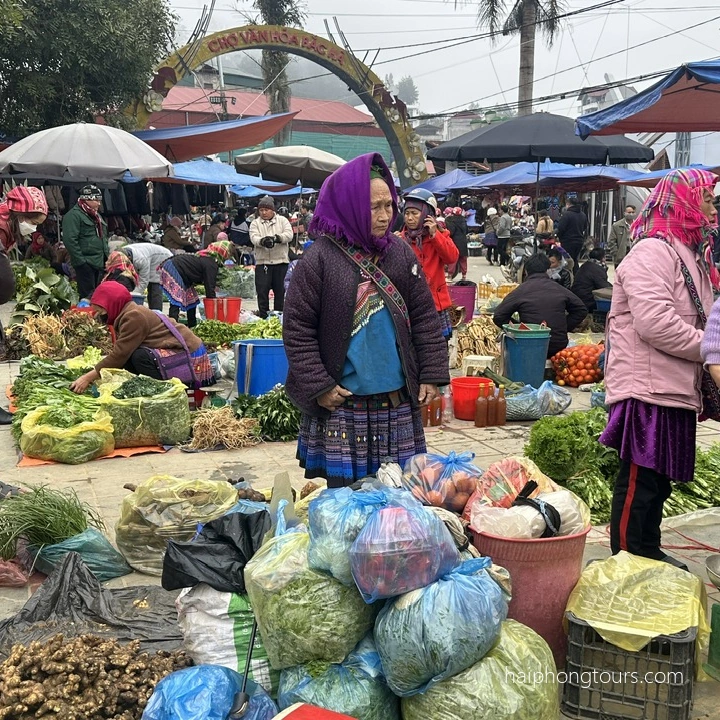
Local tourism descriptions emphasize agricultural produce and textiles. This is a place to notice what people buy for daily use, not only what looks bright in photographs. Walk the food and household-goods areas before deciding where to spend more time.
Ask your guide to explain unfamiliar ingredients, tools or clothing without interrupting a transaction. Observe from the side of a stall rather than standing in the space where customers need to pass. Give yourself time to return to a seller if you want to buy something after looking around.
The market is not guaranteed to be quiet, unchanged or free of other tourists. Its interest comes from being a real gathering, and that means attendance, goods and atmosphere vary. Avoid choosing it solely because a description promises an untouched experience.
Food and purchases without confusion
Have a small breakfast before leaving if you are unsure about eating at the market. That lets you explore food stalls out of curiosity rather than hunger. Ask the price and portion size before ordering, and choose a busy stall preparing food for current customers.
Carry small Vietnamese notes. For a textile purchase, ask whether it is locally made, what material it uses and whether the quoted price is for one piece or a set. A low-cost factory-made item can still be a useful purchase, but it should not be confused with handmade work.
Do not buy live animals, wildlife products or plants to take across an international border. If you buy food for the journey, consider how it will be stored through the remainder of a warm vehicle day.
Ask before photographing people at close range. Buying something does not entitle you to direct the seller’s pose or photograph their children. Avoid gifts or payments to children in exchange for pictures.
Make the afternoon an option, not another deadline
After the market, choose either a relaxed lunch and return or one pre-arranged countryside stop. A plantation mentioned in a tour description should be checked for current access and a host, not treated as a public park.
A Muong Khuong stop can add a meal or context to the region, but the town’s Sunday market will not become a second weekly market on Thursday. Ask what the stop actually involves before paying for a multi-market description.
Seasonal blossoms or fruit can be a worthwhile alternative when a host confirms they are present and visitors are welcome. Do not add a distant orchard solely because its photographs look spectacular; the flowering window and road conditions may be completely different during your trip.
A workable day structure
| Part of the day | Plan | Decision to settle |
|---|---|---|
| Early morning | Breakfast and pickup in Lao Cai | Hotel or railway station, with exact meeting point |
| Morning | Drive to the market and explore without rushing | How early the organizer expects to reach the active session |
| Lunch | Market-area or Muong Khuong meal | Included meal, dietary needs and toilet stop |
| Afternoon | One optional local stop, then return | Lao Cai or Sapa drop-off, and a fallback for delays |
These are suggested planning blocks rather than a timetable. Published drive estimates can be optimistic on mountain roads. Ask the provider for an arrival window based on the current route, not merely a distance divided by highway speed.
Train connections and luggage
If departing from Lao Cai by train that night, give the organizer the booked departure time before confirming the tour. Include time to retrieve bags, eat and reach the station without rushing. Keep your ticket and passport in your own daypack, not a bag left in the vehicle while you explore.
For a Sapa finish, check whether the vehicle takes you directly to the accommodation or leaves you at a town meeting point. A homestay outside the centre may need another transfer. Use the Lao Cai to Sapa transfer guide for that last-stage distinction.
When another market is the better choice
If you cannot be in the area on Thursday morning, choose a market that fits the dates instead of forcing an extra long journey. The north Vietnam market guide helps compare weekly sessions. If you are already staying in Bac Ha over the weekend, its own market and Can Cau may be a more coherent trip.
For travelers who want countryside rather than stalls, a Si Ma Cai landscape day serves a different purpose and need not depend on Thursday.
Contact Hai Phong Tours with your arrival train or hotel, Thursday date and preferred finish if you need help evaluating the route. Those details determine whether the market fits comfortably, especially when it sits between two longer journeys.