
During an active Sapa cold snap, verify what heats the actual room, whether it runs overnight and how wet clothing can be dried before committing to the stay. Use layered insulation with a wind and rain shell, and shorten exposed passes, summit waits and long treks when cold combines with wind, fog or drizzle.
Hai Phong Tours recommends building the day around a warm base rather than a promised viewpoint. A hotel name, star category or photograph does not prove that the booked room has effective heating or reliable hot water.
Ask room-specific questions
- What device heats the booked room, and is it included?
- Can it operate safely through the night?
- Is hot water available at the expected arrival time?
- Where can wet coats, socks and shoes be dried?
- Who can help if power or heating fails?
Dress for wind and wet conditions
Use several adjustable layers, keep one dry change sealed in the day bag and protect hands, head and feet. Damp clothing and wind can make an ordinary temperature feel much more demanding, especially during long roadside or cable-car waits.
Choose a short town plan
Keep one nearby indoor stop and a direct return to the hotel. Confirm current hours and access rather than assuming a venue is open. Do not use a cold snap to chase a summit, pass, snow or ice report.
Reassess Fansipan and high passes
Check the current warning, operator status, visibility and wind before leaving. Shorten or cancel exposed plans when the combined conditions exceed the group’s comfort or the return journey becomes uncertain.
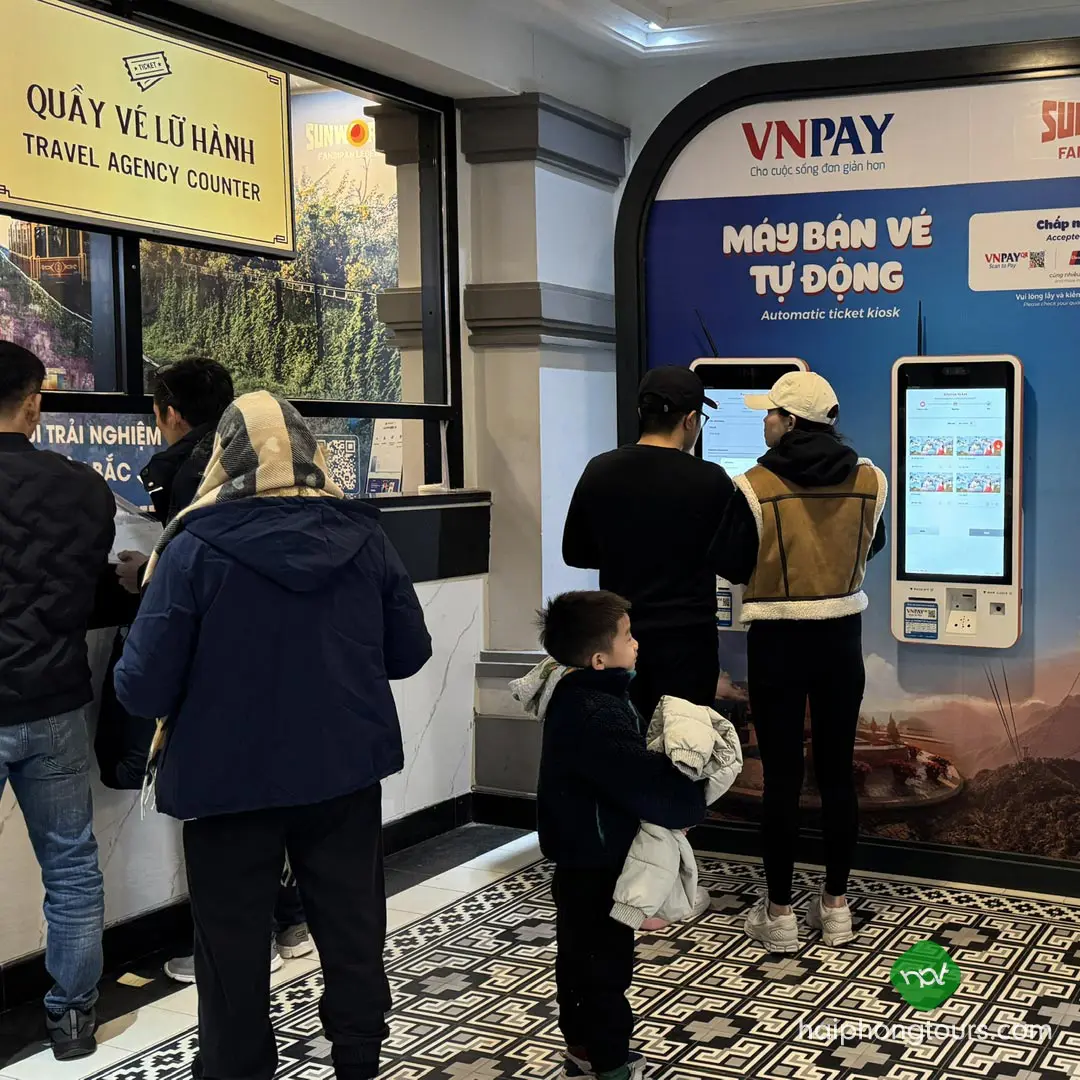
Protect vulnerable travelers
Older travelers, children and people with relevant medical conditions should follow their clinician’s plan, carry medication and avoid unnecessary prolonged exposure. Seek urgent local medical care for confusion, severe breathing difficulty, collapse or other emergency symptoms. This planning guidance is not a diagnosis or treatment plan.
Verify the exact room, not the lobby
Ask what device heats the booked bedroom, how much space it covers and whether it operates overnight. Confirm bathroom warmth, extra blankets and the process when power or equipment fails. A fireplace or heater in reception does not prove the guest room will be warm.
Request the answer in writing before the cancellation deadline. If the property cannot explain heating and drying, change accommodation rather than relying on more clothing.
Plan for wet plus wind
Use a dry base layer, insulation and a wind or rain shell, with protection for hands, head and feet. Carry a sealed dry change and keep medicine and phone power in the day bag. Wet clothing should be removed and dried at the base, not worn through a long evening transfer.
Separate Sapa town from exposed points
Fansipan queues and summit areas, O Quy Ho and long valley walks can add wind, fog and waiting. Conditions at the town hotel do not describe those locations. Check the operator, road and warning for the exact activity.
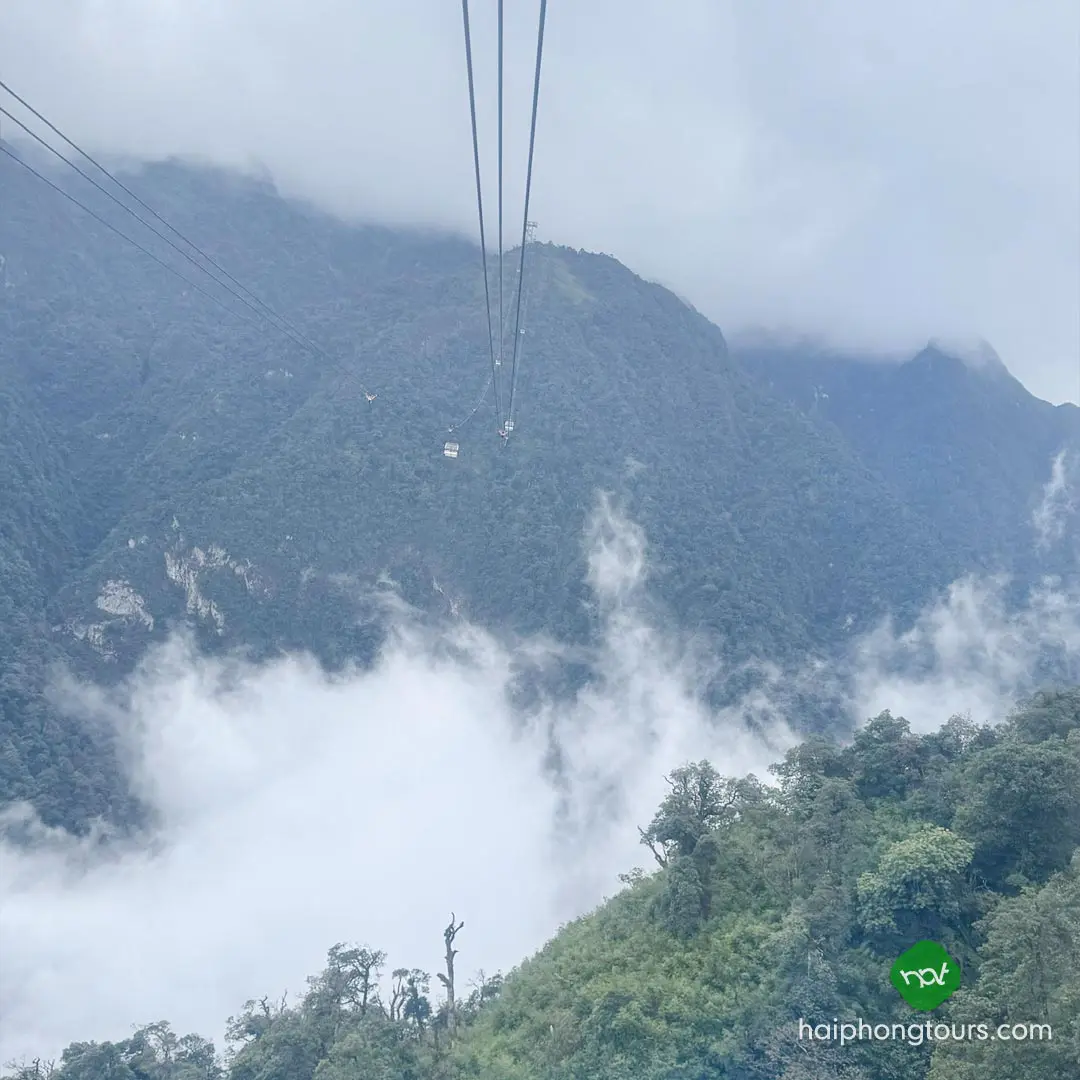
Do not travel to chase an unverified snow or ice report. A cold event can be demanding without producing either.
Use a short daylight block
Meet the driver at the hotel entrance, choose one nearby activity, schedule a warm break and return before temperature and visibility fall. Keep the town base available rather than checking out with all luggage for an exposed day.
Build an indoor fallback that is actually open
Confirm a restaurant, museum or other indoor venue before leaving. If opening, heating or road access is uncertain, use the hotel for recovery, drying and next-leg planning.
This article covers an active cold snap in any month. Normal February planning remains a separate decision and does not replace the current warning.
Use a pre-check-in message
Ask: “What heats our exact room, can it operate overnight, is hot water available at arrival, where can wet shoes and coats dry, and who responds if power or heat fails?” Save the written reply. “Heating available” without the device or room is incomplete.
Plan the day around warm returns
Use Sapa town as the recovery base, meet the vehicle at the entrance and choose one short daylight block. Schedule a warm meal or hotel break before any second activity. Return before fog, wind and temperature worsen.
Assess Fansipan and O Quy Ho separately
Fansipan can add queues, cable transfers and summit wind. O Quy Ho adds road exposure and uncertain visibility. A clear town morning does not prove either is suitable. Ask the specific operator and driver before departure.

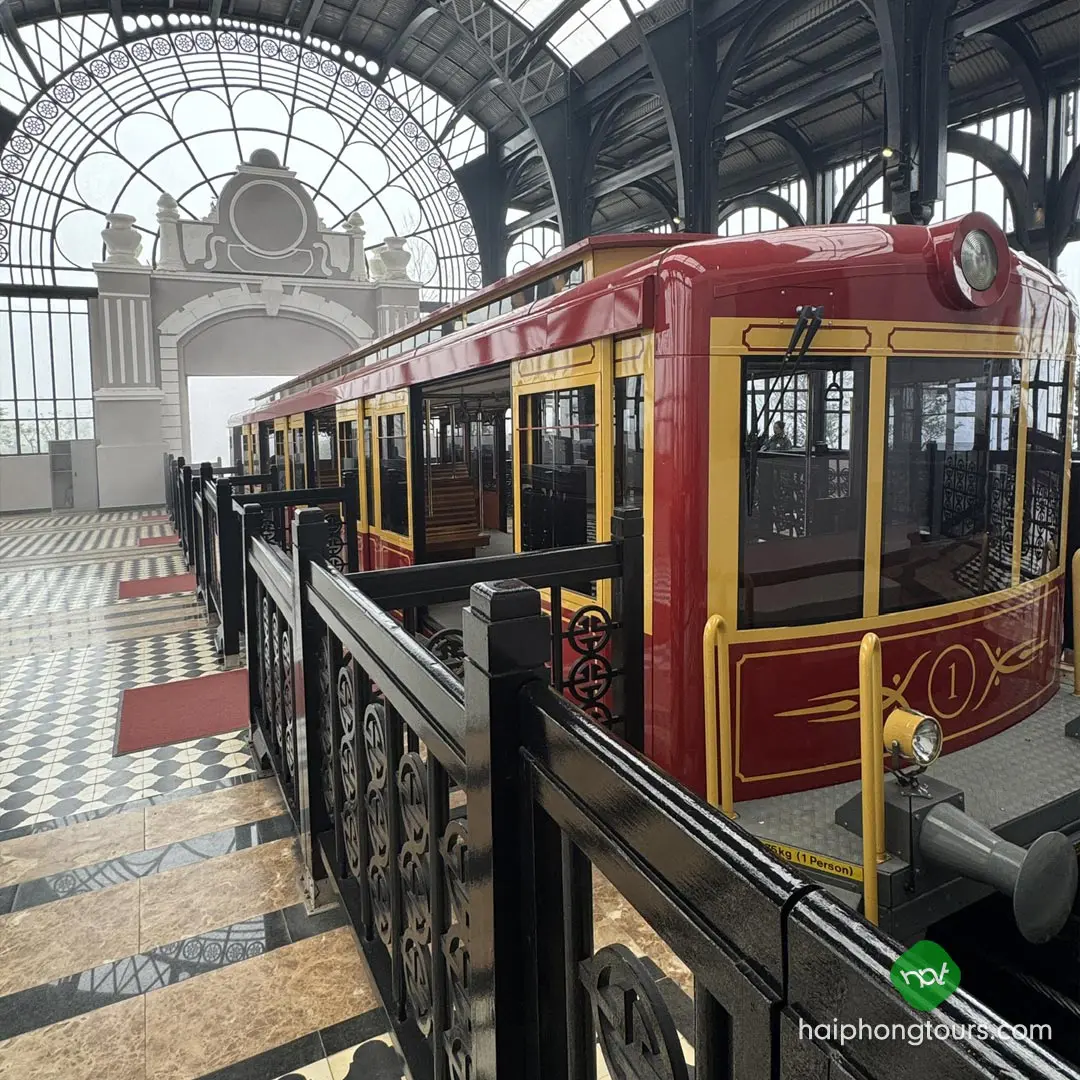
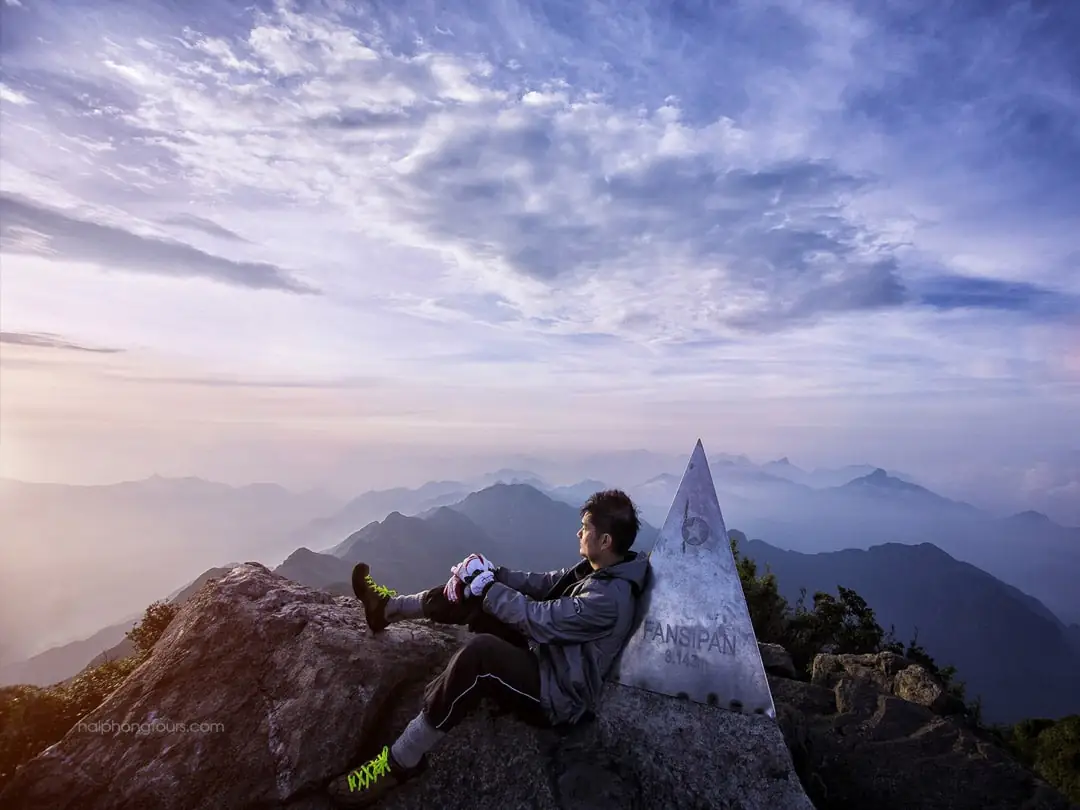
Fansipan and Muong Hoa funicular scenes.
Protect medicine and battery
Keep prescribed medicine, documents, phone power and the dry change in the personal bag. Follow clinician advice for conditions affected by cold. Do not leave essentials in a large suitcase stored on a vehicle or at another hotel.
Change the base when the room fails
If the actual room cannot stay warm and dry, move to a verified property before night. Adding layers cannot correct unreliable hot water, damp bedding or a power problem for a vulnerable traveler.
Hai Phong Tours recommends treating the warm room as the first booking and exposed scenery as optional. A cold snap itinerary is only resilient when the traveler can return to a functioning base.
Ask the property to describe the heating in the exact booked room, whether it runs overnight, the hot-water arrangement and how wet clothes will be dried. Lobby heating or a broad room category is not enough. Save the answer, meet the driver at the entrance and schedule one warm break before any Fansipan, O Quy Ho or valley exposure.
Useful guides for your trip
Planning transport around this stay? Contact us with the property name, travel date, pickup and destination, plus the room or reception times your journey needs to fit.