
Thanh Thuy International Border Gate is on Vietnam’s list of crossings that accept e-visas. That makes it a possible entry or exit point for an appropriately documented traveller. It does not by itself confirm your Chinese entry entitlement, the day’s passenger processing arrangements or permission for a foreign-registered vehicle.
Plan the crossing as three linked but separate tasks: legal entry or exit, transport to the border on one side, and transport after completing formalities on the other side. A car booked from Ha Giang normally solves only the first road leg unless a specific cross-border arrangement has been authorised.
Identify the correct crossing
The international pair is Thanh Thuy in Vietnam and Tianbao, also written Thien Bao, in China. Use the international border-gate name in the vehicle request. A pin labelled Thanh Thuy village or a scenic border marker is not necessarily the passenger processing point.
Do not confuse this with Huu Nghi near Lang Son or the Lao Cai crossing. Each is a different road journey. A route that becomes more convenient on a map does not mean you should change border gates without checking the entry documents and onward transport.
Check the actual Vietnamese entry document
Tuyen Quang police and the Government’s published border list explicitly identify Thanh Thuy as an e-visa gate. Older lists may omit it. Use the current Immigration Department process and your issued document when planning the crossing, rather than an old travel-blog list.
Vietnam’s e-visa can be issued for up to 90 days, with single-entry and multiple-entry options. Published government fees are USD 25 for single entry and USD 50 for multiple entry. These are application fees, not a guarantee of approval or an automatic full-length stay.
If leaving Vietnam and intending to return, check the remaining validity and number of entries. A single-entry permission should not be treated as reusable merely because its printed expiry date is later than the planned return.
Apply through the official process
- Use the Vietnam Immigration Department’s official e-visa portal.
- Complete the passport and travel information accurately and upload the required images.
- Pay through the official application process and retain the reference.
- Check the result, then read the issued names, passport number, validity and entry conditions.
- Print the approved document and keep an offline copy with the passport.
Do not drive to the border with only an application receipt. An application still being processed is not an issued visa. Give yourself time for a correction or request for further information rather than planning around the shortest advertised processing estimate.
Contact the Immigration Department through its official service-support channel. Include the application reference and a clear description of the problem through the official support channel. A transport dispatcher cannot amend an e-visa.
Confirm the Chinese side independently
Check your entitlement to enter China with the relevant Chinese authority or consular service for your passport and travel purpose. Vietnam’s acceptance of an e-visa says nothing about the permission required on the other side.
Also establish the practical passenger processing and onward vehicle arrangements before leaving the previous night’s accommodation. No universal opening hours or guaranteed walk-across procedure is stated here: the relevant border authorities must confirm the arrangement for the intended crossing day.
Keep the Chinese-side accommodation and transport contact accessible offline. Mobile service, payment methods and messaging access may differ after crossing. Do not leave that first onward ride as an assumption while the Vietnamese driver has already completed the booked drop.
Book the Ha Giang road leg precisely
For a local vehicle enquiry, contact Ngoc Cuong about its advertised taxi and transport services. Request a quote to the accepted Thanh Thuy passenger access point, with the passenger and luggage count. The company’s local transport advertisement is an enquiry lead, not proof of cross-border operating permission.
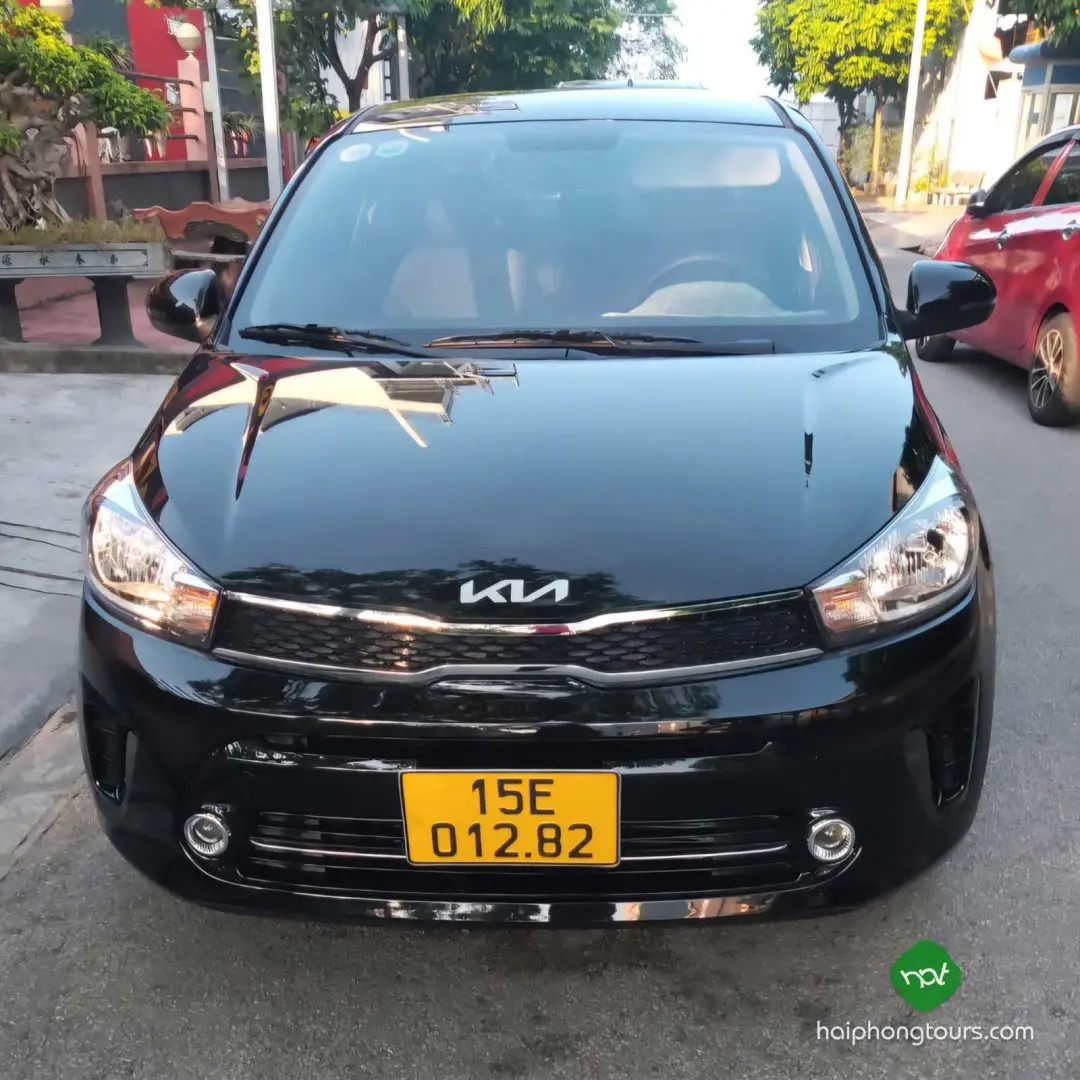
Agree where the vehicle stops, whether any waiting is included and what happens if formalities cannot be completed. If you need a return to Ha Giang, reserve it explicitly. A one-way border drop does not leave a car waiting indefinitely.
A foreign vehicle needs a different approval plan
Bringing your own foreign-registered motorcycle or car into Vietnam is separate from crossing as a passenger. It requires the relevant advance vehicle arrangement, insurance and customs process. A valid e-visa does not authorise the vehicle, and a rental agreement in a neighbouring country may not permit international use.
Read the foreign-vehicle entry guide before committing to that option. If entering as a passenger and renting locally afterwards, use the driving-entitlement check for the actual Vietnamese rental.
Keep a local overnight available
Do not attach an international flight or a distant non-refundable journey to the earliest hoped-for border completion. If entry cannot proceed, contact the responsible authority or booking provider from a staffed location and use the agreed local fallback.
A border-area sightseeing permit, a Vietnamese e-visa and permission to cross with a vehicle are three different matters. Resolve each one that applies, then book the road journey around the approved plan rather than expecting the driver to solve it at the gate.

Would you like help fitting this experience into your trip? Contact us with your travel dates, starting point, available time and group size. Tell us about walking limits or special interests so we can suggest a practical itinerary.