
Take a large suitcase only to a named staffed Yen Tu base reception or a hotel that has accepted it in writing. Carry a small day bag above the base, return to the same side for collection and meet the onward car at the confirmed public vehicle point.

If the descent ends elsewhere or reception closes first, arrange a documented hotel or driver handoff before travel. Hai Phong Tours does not treat an unnamed desk, unattended car or mountain service area as guaranteed luggage storage.
Put every point on one route
Mark the arrival pin, storage desk, ascent start, descent endpoint, retrieval desk and onward pickup. A route that finishes at another reception can create the backtracking the traveler was trying to avoid.
Ask the operator whether bags can move internally when the tour ends on another side. Without a written transfer, choose one base and return to it before the road journey continues.
Obtain real storage acceptance
- Property or reception name and exact desk.
- Guest or day-visitor eligibility.
- Opening and latest retrieval time.
- Fee, size limit and prohibited items.
- Claim ticket, receipt or identification method.
- Contact for a delayed descent.
Yen Tu has staffed receptions and lodging areas, but that does not establish a universal public left-luggage service. A hotel may assist registered guests while declining bags from day visitors.
Keep the suitcase below the mountain
Large cases do not belong in the electric-car, cable-car and walking chain. Pack a day bag with passport, medicine, money, phone, water, rain layer and anything that cannot be left inaccessible.
Follow the operator’s current bag rules for internal transport. A small day bag still needs to fit safely without blocking a cabin, aisle or walking route.
Work backward from retrieval
Confirm the last safe descent, expected queue, storage closing and road pickup. Dated cable-car hours and prices are only recheck triggers; the travel date’s operator notice controls.
Shorten the mountain stage when festival congestion, rain or fog threatens the retrieval window. Missing a staffed desk and onward car is a larger problem than skipping the final viewpoint.
Decide whether the car should hold the bag
A private vehicle that waits and meets the traveler at the same legal base can avoid a separate storage desk. Confirm parking, maximum wait, driver rest, price and custody terms in writing.

A locked vehicle is not insured public storage. Keep valuables and essential medicine with the traveler, and never assume the driver remains beside the car throughout the visit.
Choose vehicle size from the luggage
Send passenger count, every case, largest dimensions, stroller or wheelchair and unusual equipment. A vehicle at its maximum seat count may not have enough cargo space.
Use photos for rigid or oversized items. Confirm whether any seat must fold and whether the final hotel or station entrance accepts the vehicle.
Keep the onward direction exact
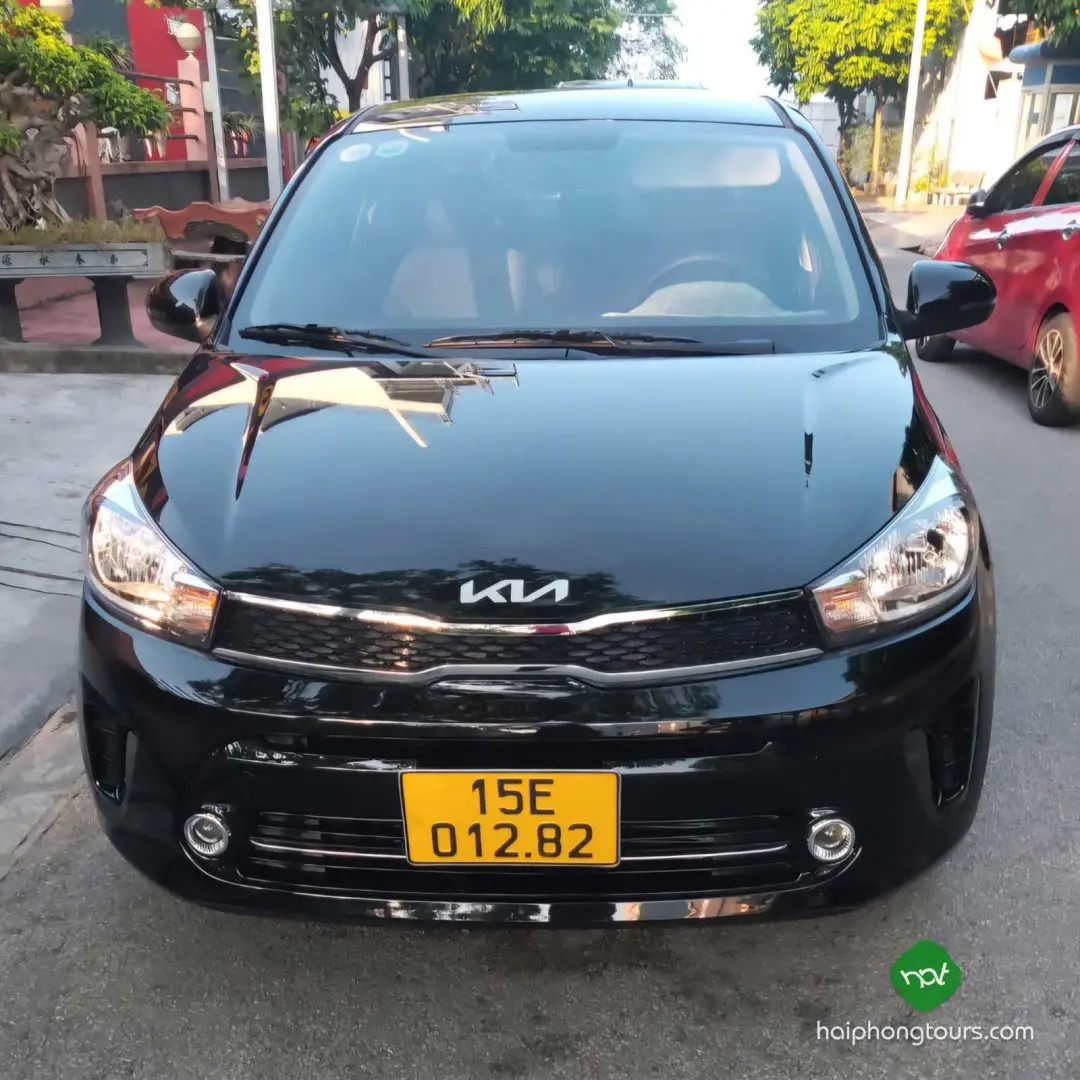
The next road booking should begin at the same public Yen Tu point used for retrieval. An exact route such as Yen Tu to Ha Long transfer is useful only after the pickup pin, waiting and luggage capacity are confirmed.
Do not insert several possible transfers when the destination is undecided. The storage route depends on the real onward direction.
Plan around public transport limits
A coach plus local taxi can suit a light traveler, but it does not provide protected storage or an onward connection. Large luggage and a fixed train, flight or cruise favor a named road chain with enough margin.
Independently booked segments remain separate. If one normal delay breaks the next departure, use a larger buffer or an overnight base.
Recover when storage fails
The desk refuses the suitcase
Keep it with the traveler at the staffed base and contact the hotel or driver. Do not hand it to an unnamed intermediary.
The claim ticket is lost
Use the receipt, booking name, bag description and identification process required by the desk. Allow time for staff to verify custody.
The traveler returns to the wrong reception
Stay at the staffed point and contact the named storage desk and road provider. Move the onward booking rather than sending someone unknown to collect the case.
Make the base do the storage work
Run a same-side rehearsal before travel
Read the itinerary aloud from the arriving vehicle to the onward vehicle. The sequence should name one base reception, the storage record, ascent, descent, retrieval and pickup. If the description suddenly uses another gate or hotel, the route still contains an unresolved transfer.
Send that sequence to the reception and driver. Ask each side to confirm the same public pin and latest workable time. This is especially important when the mountain operator uses several reception names that look close on a map but serve different parts of the site.
Keep proof of the bag handoff
Photograph the case and claim ticket when the desk allows it, then record the staff or desk name. The proof is useful when shifts change or the traveler returns later than expected. It should not include unnecessary personal information.
Before leaving the desk, check that the onward vehicle can carry the case with the full party. A successful storage plan can still fail at pickup if the car was chosen from passenger count alone.
The clean Yen Tu route leaves the large case with one accountable base, returns to the same desk and begins the onward road trip there. If those points cannot be aligned, change the route before arrival.
Would you like help fitting this experience into your trip? Contact us with your travel dates, starting point, available time and group size. Tell us about walking limits or special interests so we can suggest a practical itinerary.