
Ha Giang can suit older travellers when the itinerary is designed around actual comfort and walking preferences. Age alone is a poor guide to the right route. The useful details are how long you want to sit between breaks, how you manage repeated steps and what kind of room helps you recover at night.
Start by describing an ordinary travel day you enjoy. You may be comfortable with several hours in a car and a short village walk but dislike a predawn start, or you may enjoy a substantial hike if the next night is quiet. Build the programme around that pattern rather than accepting a standard departure with a softer label.
Choose a route with recovery built in
For the eastern plateau, reduce the number of major stops and give overnight towns time of their own. A night in Dong Van can include an unhurried meal and a short old-quarter walk rather than only a bed between late arrival and early departure.
A gateway stay near Ha Giang creates another useful option. Thon Tha offers a village context without making the full plateau circuit compulsory. A western base around Thong Nguyen can suit people who prefer walking from the same accommodation and returning to a familiar room.
| What tires you most | Design response |
|---|---|
| Repeated packing | Use two nights at one base where the route permits |
| Long continuous sitting | Agree regular planned breaks and fewer distant stops |
| Stairs and steep descent | Select village-level visits and verify room access |
| Early starts | Choose daylight sightseeing instead of a sunrise objective |
| Noise or shared facilities | Confirm the actual private bedroom and bathroom each night |
Look at the room beyond its photographs
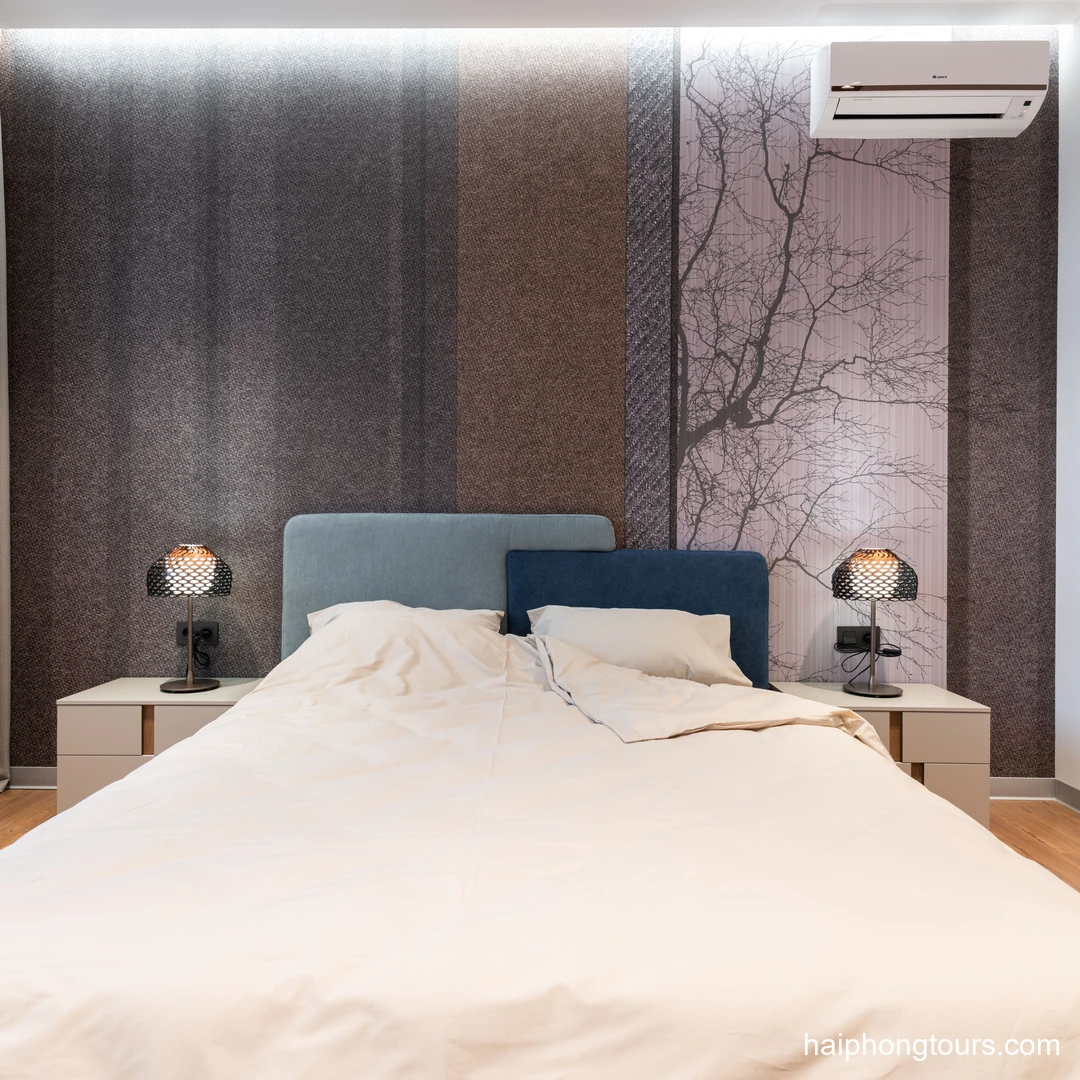
A room with a dramatic view can require a long climb from the car or several trips up steps to reach meals. Ask for a continuous video from the vehicle stopping point to the room and restaurant. This makes the daily effort easier to assess than a bedroom photograph.
At Hmong Village, the Quay Tau bungalow has an upstairs bedroom and a bathroom on the lower floor. That distinctive design may appeal to some guests, but it is a poor match if you need to avoid stairs at night. Contact the property on and request an alternative layout rather than treating all its rooms alike.
Confirm a chair with a back, the bed height if relevant, hot water and the room’s heating or cooling provision. In Hoang Su Phi, Hoang Su Phi Lodge publishes private bathrooms, hot showers and fans in its bungalows. Those listed features do not establish heating or step-free access; reserve according to the features confirmed for your room.
Choose walking by terrain and return effort
“Easy” and “short” are subjective descriptions. Ask for walking time, ascent, surface, repeated steps and the distance back to the vehicle. A descent can be the harder part of a viewpoint visit, especially after time spent standing at the top.
The Chieu Lau Thi guide distinguishes the vehicle approach from the final summit steps. Read the whole sequence before deciding whether the outing fits. Reaching a high drop-off does not remove the climb, and an earlier drop-off changes the demand further.
For a village walk, arrange a shorter circuit with a known turning point. A route that passes a place to sit and returns to the same car is more predictable than a point-to-point walk with no collection option. If you and your companion have different walking preferences, price two suitable activities rather than forcing one shared pace.
Choose the arrival car around comfort and sleep
The Hanoi to Ha Giang private transfer provides a daytime alternative to a sleeper berth, with a listed route reference of about six hours. If you land at Noi Bai and want to continue directly, choose the separate Hanoi Airport to Ha Giang transfer. A private car gives you more control over the departure and breaks, although it does not remove the distance or make every vehicle equally comfortable.
Describe the seat you need before booking: whether you can step up easily, how much legroom you require and whether reclining matters. Ask for the actual vehicle category and seating arrangement. A higher passenger count is not proof of better comfort, and filling every seat can leave too little space for walking aids and suitcases.
Plan toilet, drinking-water and meal stops around what makes a long journey manageable for you. Tell Hai Phong Tours if you need shorter intervals between breaks or help reaching a suitable toilet. Ordinary roadside facilities vary, so discuss a specific requirement rather than relying on a generic comfort-stop promise.
A private pickup can move about 30 minutes earlier or later with advance notice through WhatsApp. This is useful if breakfast or checkout takes longer than expected. It is still better to choose a relaxed starting time from the beginning, with the arrival hotel expecting a range rather than a precise minute.
Reserve the Ha Giang room for the night before the mountain itinerary starts. Check the car-to-reception route, lift access where relevant and whether dinner will be available after arrival. A properly planned first night gives you time to assess the following day calmly instead of accepting an immediate departure after a poor night’s sleep.
For the next destination, Ha Giang to Sapa is a separate intercity service beginning at the agreed Ha Giang pickup. Returning from Dong Van or another Loop town, collecting cases and resting are separate tasks. Share those arrangements with Hai Phong Tours so the onward car fits the pace of the whole trip.
If a lift is essential, ask the hotel whether any entrance steps remain before it and how your cases reach the room.
For the next stage, read planning toilet, meal and comfort stops.
Make the journey to Ha Giang part of the comfort plan
An overnight bus can save a hotel night but may not provide the sleep you need before a mountain journey. Compare the private car and sleeper-bus options according to seat comfort, breaks and arrival time, then choose the first local day accordingly.
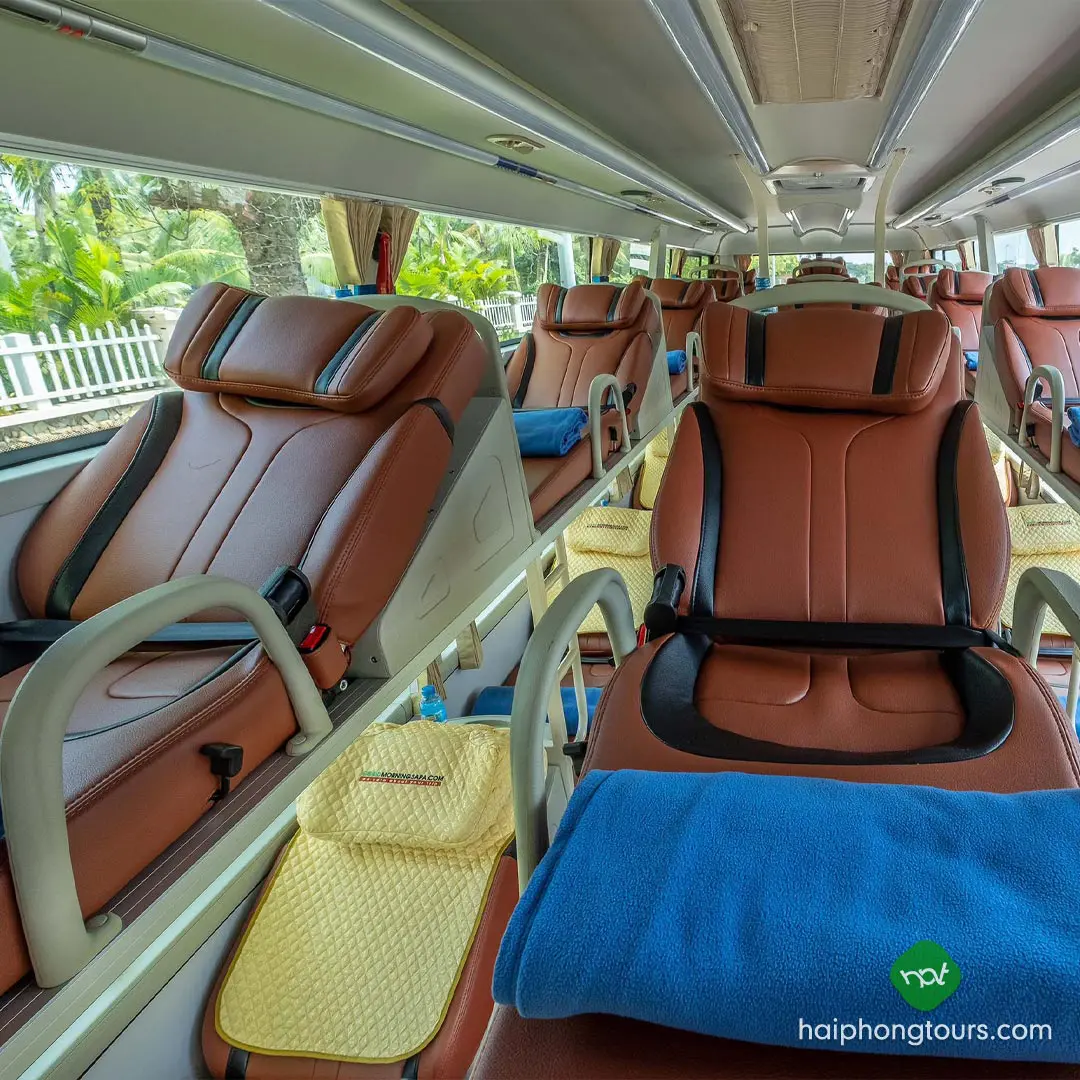
If using a bus, establish the actual berth and boarding arrangement. Avoid assuming a marketing term such as VIP means easy access or generous space. If you cannot comfortably climb into a berth, a daytime seated journey or private transfer may be the more workable option.

Reserve the arrival room for the time you need it. Standard afternoon check-in does not help someone arriving before dawn who needs a private bed immediately. A paid additional night may be a better use of the budget than an upgraded room available much later.
Keep meals and practical stops predictable
Tell the organiser if you need regular meal times, a quieter dining area or an earlier dinner. A remote homestay may prepare one shared meal at a fixed time, so agreement in advance is more useful than searching for another restaurant after arrival.
Use town meal stops for toilets, water and essential purchases before entering a longer road section. Carry the everyday items you need in the vehicle cabin rather than under all the luggage. If you use medication, follow your own clinician’s advice and keep it accessible; an itinerary should not require reorganising your usual care at every stop.
Keep an alternative that is still enjoyable
A rest day can include a short hosted visit, tea or time in the garden rather than a replacement long drive. Agree which activity is optional and whether skipping it changes any charge. The aim is to retain a satisfying holiday when the weather or your energy changes.
Give the local organiser the same information so the vehicle, room and sightseeing describe one coherent trip.
Useful guides for your trip
Would you like help fitting this experience into your trip? Contact us with your travel dates, starting point, available time and group size. Tell us about walking limits or special interests so we can suggest a practical itinerary.