
Use a fifth Ha Giang Loop day to keep the same room in Dong Van and spend time outside the vehicle. This gives the longer trip a purpose: a village walk, a slower cultural visit or an unhurried town day between the northern approach and Ma Pi Leng. Adding more riding to every stage would create a longer journey without delivering the slower pace you wanted.
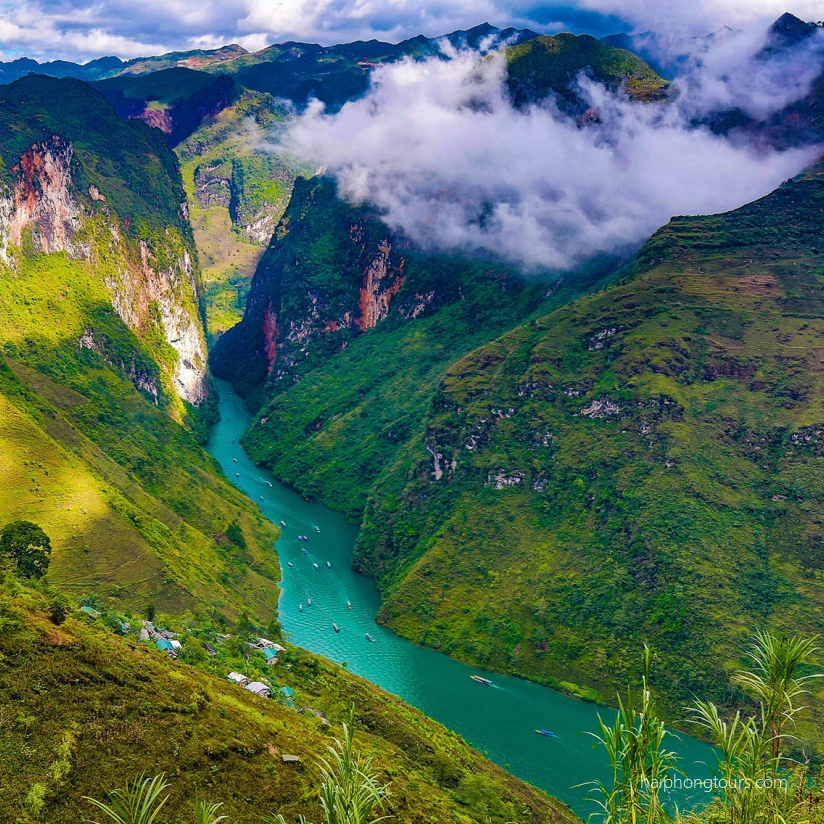
The outline below assumes you have already reached Ha Giang and slept before the first road day. It contains five road-and-stay days, four nights away from the city and a return on the fifth day. Arrival transport and any final city night are separate.
The five-day sequence
| Day | Main purpose | Overnight |
|---|---|---|
| 1 | Ha Giang through Quan Ba toward Yen Minh, with limited stops and time to settle into the travel pace. | Yen Minh area, at a confirmed property. |
| 2 | Continue through the plateau toward Dong Van. Select a cultural stop rather than every possible branch. | Dong Van. |
| 3 | A locally arranged walk or village visit, returning to the same room. | The same Dong Van property. |
| 4 | Ma Pi Leng and the Meo Vac direction, then the agreed southern overnight if the road and daylight support it. | Du Gia or an alternative chosen before departure. |
| 5 | Return to Ha Giang, inspect and return equipment, collect luggage and rest. | Ha Giang or a sufficiently flexible onward arrangement. |
Use the Loop map guide to agree the return corridor. If conditions make the Du Gia stage unsuitable, change the southern overnight and road together. A hotel reservation should not force the vehicle onto a poor approach late in the day.
First day: measure the group’s real pace
Leave time for the departure briefing, luggage loading and a meal around the Quan Ba corridor. An experienced rider or driver still needs to learn how often the party wants a break. Do not treat a slower first morning as something to repair by extending the evening.
The Yen Minh overnight keeps Dong Van from becoming a compulsory opening-day finish. Confirm the room and dinner in advance so the first day ends with a settled plan. If you arrive early, use that margin for rest rather than automatically adding a distant detour.
Second day: choose the northern branch deliberately
Sa Phin and the Vuong residence area can provide a cultural stop on the plateau journey. Lung Cu is a separate branch with its own road and walking time. Decide which experience matters most to the group and protect a daylight arrival in Dong Van.
You have a second night here, so you do not need to fit every local interest before checking in. Keep the same room for both nights if possible. Confirm that detail with the property rather than assuming two bookings in the same building mean you will not move rooms.
Third day: arrange an actual local activity
One directly contactable option is May Boutique Dong Van, which publishes a walking programme with morning and afternoon choices. Its morning description includes Ma U and Thien Huong, returning toward Dong Van. The published location is Group 2, Dong Van.
Ask for a written version of the exact walk, terrain, expected duration, guide language and return point. The provider’s public page has inconsistent general descriptions and cancellation wording, so do not borrow a generic promise from one section and assume it governs the activity you reserve.
For this slower itinerary, a suitable village walk followed by lunch and free time is enough. A full-day walking package that also drives to Ma Pi Leng would partly repeat the following road stage. Ask for the morning option or a tailored route that returns to the same base, without entering any restricted viewpoint.
If some companions prefer to rest, the second room night makes that possible. Agree a meeting time and a meal plan, and leave them a working property contact. A mixed-interest day should not require everyone to attempt the same path.
Fourth day: keep the pass and the onward room as priorities
Cross Ma Pi Leng in appropriate daylight conditions and stop only where the vehicle is fully clear of traffic. Continue toward Meo Vac and reassess the southern stage before adding an excursion. A Nho Que boat outing needs descent, boarding and return time; it is not an automatic extra because the trip has five days.
If a boat is a priority, consider sleeping nearer Meo Vac or Pa Vi and redesigning the final return accordingly. The Pa Vi stay guide helps compare that overnight. Do not retain the full Du Gia programme on paper after changing the night’s location.
Fifth day: finish with room to hand everything back
Keep the return route focused. Your city arrival still needs time for fuel or vehicle checks where agreed, borrowed equipment, deposit settlement and the stored suitcase. Book an onward journey around that whole process, not around the moment the group expects to see the city sign.

Tell the next accommodation if the return is delayed. If you choose a city night, reserve the room you need to sleep well rather than relying on an unspecified waiting bed. The additional Loop day is valuable only if the trip does not end in a rushed chain of handovers.
What to remove when conditions deteriorate
Shorten a walking route, drop a northern branch or move the southern overnight before cutting essential rest. A foggy local day can still support a modest visit and a proper meal; it need not turn into an attempt to reach another exposed viewpoint. For food planning in Dong Van and the other stops, use the Ha Giang food guide.
Reserve the local rider, guide, rooms and village activity with the responsible providers as specific services.
Useful guides for your trip
Would you like help fitting this experience into your trip? Contact us with your travel dates, starting point, available time and group size. Tell us about walking limits or special interests so we can suggest a practical itinerary.