
Plan Ha Giang with limited mobility by checking the actual journey from the vehicle door to the room, restaurant and each visit. A property described as accessible may still have an unsuitable entrance or bathroom. A car reaching a village does not establish that you can comfortably reach the activity inside it.
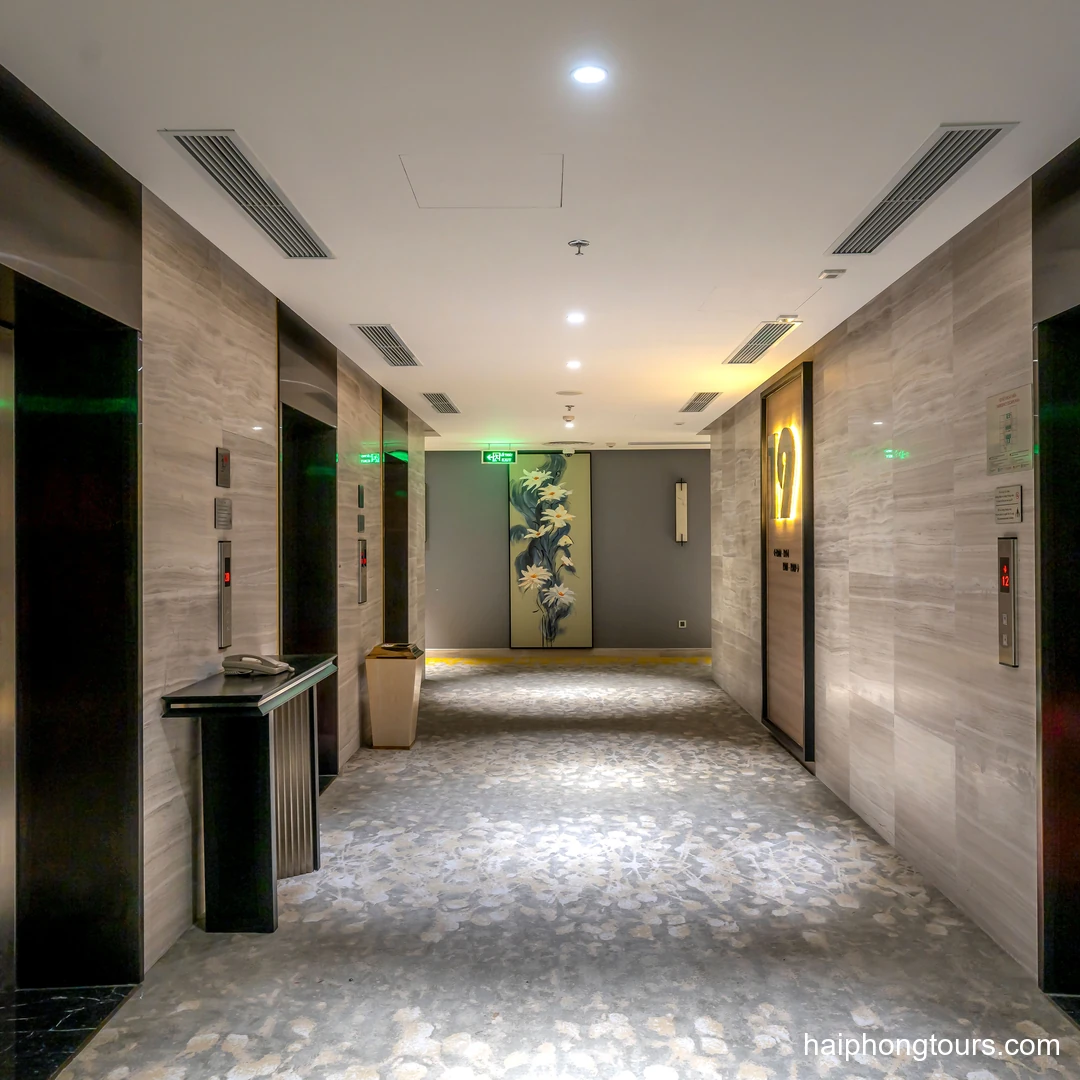
The most useful enquiry describes what you can manage and the equipment you use. Whether you need a level route, can manage a few steps with a rail, or require space for a wheelchair changes the plan. Do not let a broad label replace those details.
Assess the intercity vehicle before the mountain itinerary
The listed Hanoi to Ha Giang private transfer and Noi Bai Airport to Ha Giang transfer are starting points for an access enquiry, not certifications that a vehicle is wheelchair adapted. Send your practical transfer needs, equipment dimensions and the required seat arrangement before a car is selected.
If you travel seated in a wheelchair, explain that explicitly and ask whether a suitable secured arrangement is available. A standard car with room for a folded chair is a different service. If you transfer to a passenger seat, ask about door clearance, step height and help you expect from a companion or provider.
Arrange a toilet-stop plan suited to your needs and allow enough time to enter and leave the vehicle. Hai Phong Tours can move an ordinary private pickup around 30 minutes with advance notice through WhatsApp, but unhurried boarding should already be part of the original schedule.
The receiving Ha Giang hotel must confirm the route from the stopping place to reception and the exact room. A successful intercity transfer does not establish access at every later viewpoint or overnight property on the Loop.
Prepare an access description that providers can use
State whether you transfer independently, whether your chair folds, its dimensions and weight, and whether you travel with a companion. If you use a walking aid, describe your comfortable distance, standing time and stair limit. Share only the practical information needed to assess the service.
The limited-mobility transfer guide covers vehicle planning in more detail. For Ha Giang, add the final accommodation approach and the places you want to visit. A suitable intercity vehicle does not settle the access of every stop on a mountain circuit.
| Part of the route | Evidence to request |
|---|---|
| Vehicle | Door opening, step height, seat arrangement and storage for your equipment |
| Arrival | Exact stopping point and a continuous view to reception |
| Bedroom | Door widths, bed clearance and any internal steps |
| Bathroom | Entrance threshold, shower arrangement, turning space and support features |
| Meals | The route to the dining area and a suitable seating arrangement |
| Visit | Surface, gradient, steps, rest places and the return route |
Measurements and a continuous video are more informative than separate attractive photographs. Ask for the exact room being reserved, since different categories within one property can have very different layouts.
Use room design as a practical filter
Hmong Village’s Quay Tau bungalow places the bedroom above the bathroom on two floors. It is therefore an unsuitable starting choice for someone who must avoid internal stairs. The property publishes and for enquiries about other categories.
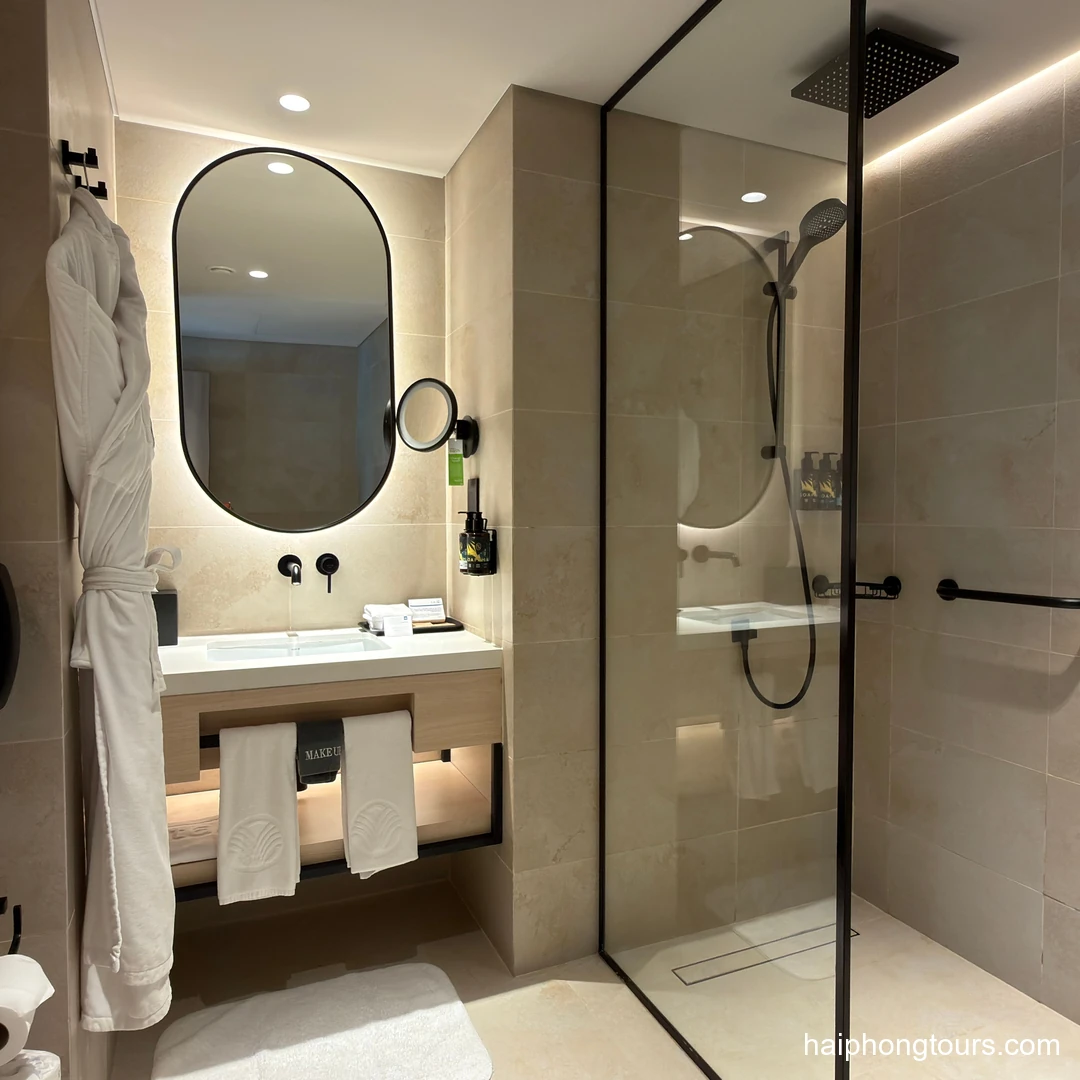
Panhou lists walk-in showers in several room categories, but that wording does not establish a threshold-free route, grab rails or wheelchair turning space. Request those details separately. A room feature should be treated as one part of the access chain, not a certification for the whole stay.
If the restaurant is reached by steps, agree a workable meal arrangement before booking. Room delivery might be available, but it changes the social experience and should not be assumed. Likewise, a staff offer to help carry equipment is not evidence that a transfer method suits you.

Choose an itinerary with dependable alternatives
A private route with fewer stops makes it easier to preserve breaks and adjust the day. However, the most useful flexibility comes from knowing alternatives in advance. For each essential visit, identify a shorter version or another activity that still interests you.
A Ha Giang gateway stay can reduce repeated room changes. A plateau route can prioritise scenery from planned stopping places and selected town visits, while omitting climbs that do not suit. The route guide helps locate those choices, but each actual stopping place still needs confirmation.
Do not assume a roadside panorama includes a level viewing platform or an accessible toilet. The driver should identify a place where the vehicle can stop appropriately and where you can either remain seated or reach the view on a route you have assessed.
Separate optional climbs from the main experience
Caves, summit steps and boat boarding deserve their own access decision. A description of a short approach can conceal uneven surfaces or a steep return. If those details cannot be established, choose another activity rather than making the visit a test on arrival.
For example, Lung Khuy cave includes an approach and steps, while Chieu Lau Thi retains a summit climb after its vehicle approach. Neither should be included merely because a car can get relatively close.
A cultural visit can also involve thresholds, low doorways or floor seating. Ask whether the conversation or demonstration can take place in a suitable area without entering the whole house. Agree this with the host in advance so the arrangement remains comfortable for everyone.
Plan toilets, breaks and energy use
Identify the stops where suitable toilets have actually been checked. Keep those in the route instead of relying on finding an equivalent facility at the next viewpoint. If a provider cannot confirm the layout, request photographs and dimensions rather than a general assurance.
Allow time for boarding, transfers and rest without treating them as delays. A schedule designed for quick group stops may be unsuitable even when individual attractions are manageable. If travelling with companions, build in a way for them to visit an optional place while you have a comfortable, agreed alternative.
Keep essential equipment and personal items reachable in the cabin. Discuss charging and secure storage if needed, and retain the contact of the person responsible for the vehicle throughout the trip.
Confirm the replacement standard
A last-minute room change can undo careful access planning. Have the booking state that a substitute must be assessed against the same required features before acceptance. A higher room category is not automatically a suitable replacement.
If road conditions change, ask for a revised route that retains your confirmed meal, toilet and overnight access. Agree the choice while you still have time to change the plan, rather than after reaching an unsuitable entrance.
Treat every confirmed doorway and transfer as part of one continuous journey, and book only the arrangement you can assess from the evidence provided.
Useful guides for your trip
Would you like help fitting this experience into your trip? Contact us with your travel dates, starting point, available time and group size. Tell us about walking limits or special interests so we can suggest a practical itinerary.