
Reaching Fansipan on foot and taking the cable car to the summit area are two very different days. The hike asks for sustained effort, an agreed mountain route and a realistic descent plan. A summit photograph does not tell you which of those experiences a tour actually includes.
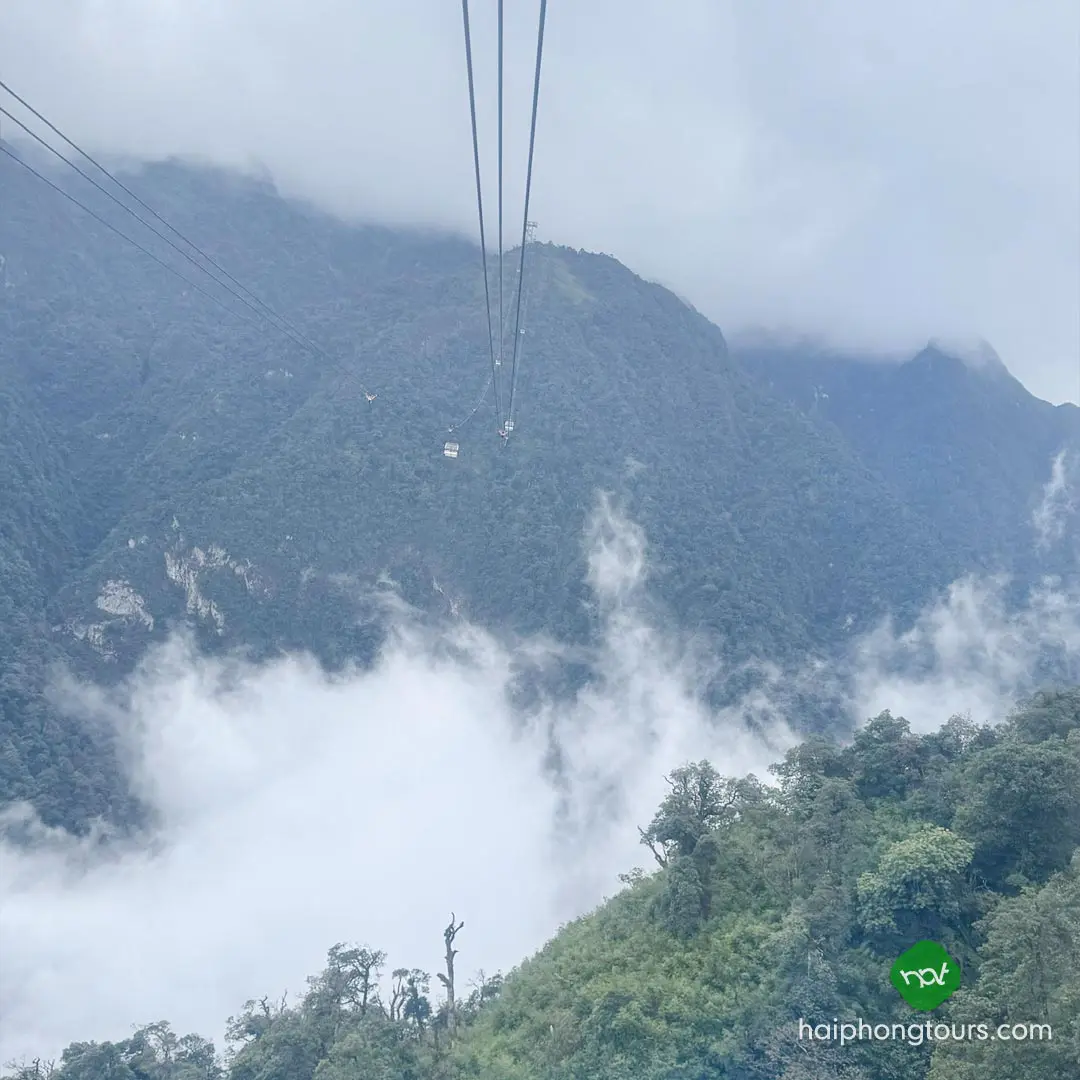
For a first Fansipan trek, compare an authorized Tram Ton day climb with a two-day, one-night program. Book through an organizer that handles park registration and guiding. Decide whether you will walk down or use a separately confirmed cable-car return before paying, not when you are already tired near the top.
What the walking route involves
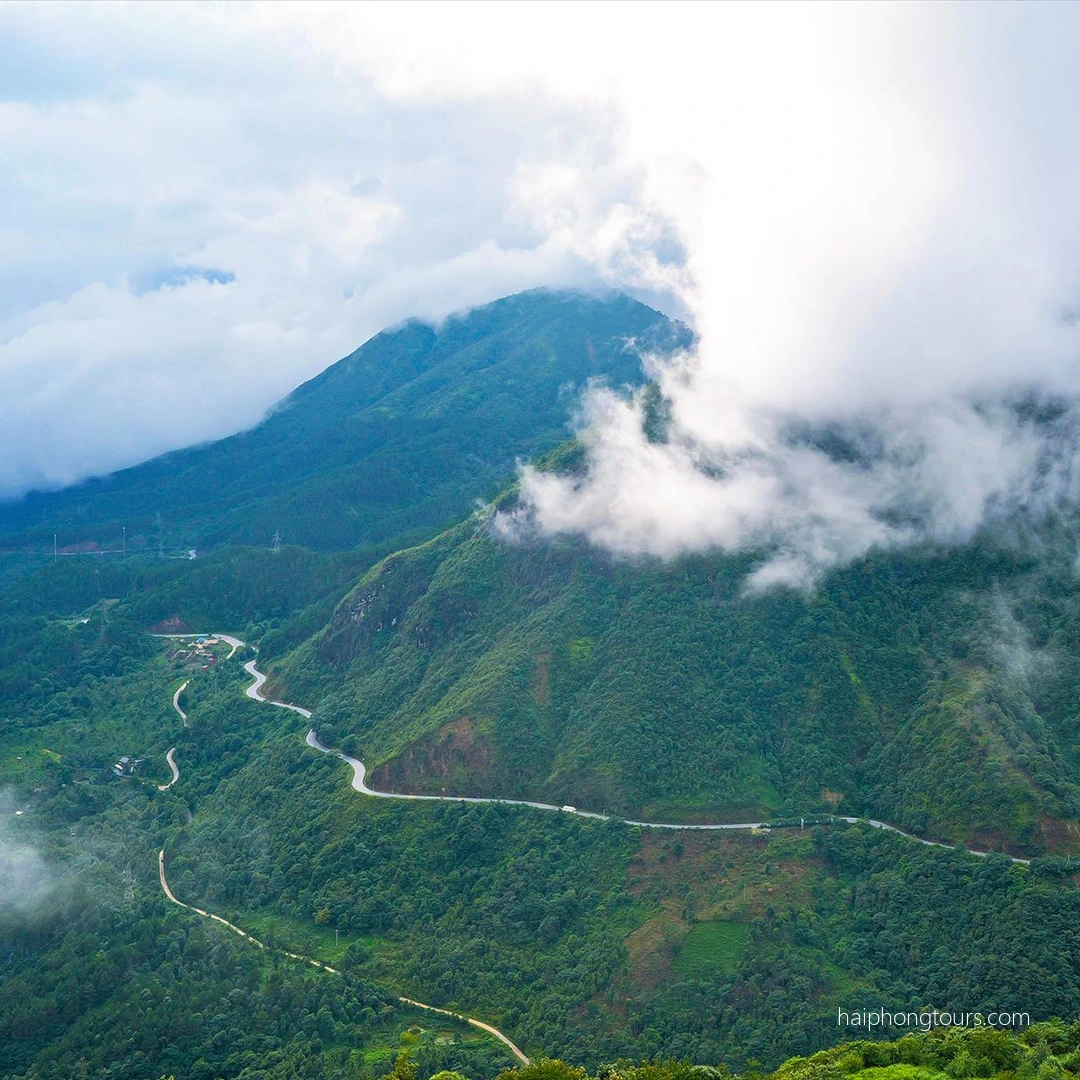
Hoang Lien National Park describes the Tram Ton route from the ranger station to the 3,143-metre summit as approximately 10.5 kilometres one way. Its published options include a day program or an overnight program using the park’s resting place at about 2,800 metres.
The park also describes longer routes from Sin Chai and Cat Cat. Those are different commitments, not shortcuts to book casually after reaching Sapa. Ask which route is currently accepted for your party and dates; a route appearing in a brochure does not establish that it is available in all conditions.
For an out-and-back Tram Ton hike, the distance is therefore roughly 21 kilometres, before allowing for the exact summit-area movement. That is a substantial walking day. Compare the total ascent, descent and expected time on your feet, not just the one-way distance highlighted in an advertisement.
Day hike or overnight trek?
| Choice | Why choose it? | The trade-off |
|---|---|---|
| Walk up and down in one day | You are accustomed to long, steep walking days and want no mountain overnight | Less margin for a slow pace; the descent comes after the main climb |
| Two days, one night | You prefer to divide the effort and experience the mountain overnight | More gear and a basic camp stay; it is still a demanding trek |
| Walk up, cable car down | You want an ascent without the full walking descent | Requires a valid ticket, operating service and a genuine fallback if it cannot run |
| Cable car visit without the trek | Your main goal is the summit complex and views | It does not include the forest hiking experience |
Choose the overnight option because it suits your pace, not because a seller calls it easy. Ask how much walking remains on the second day and whether the descent is on foot. A two-day itinerary that still includes a full walking descent can be tiring even after a night’s rest.
For the non-hiking visit, use the Fansipan cable-car and mountain-train ticket guide. It should not be used as a substitute for a trekking booking.
Registration and the guide are part of the trip
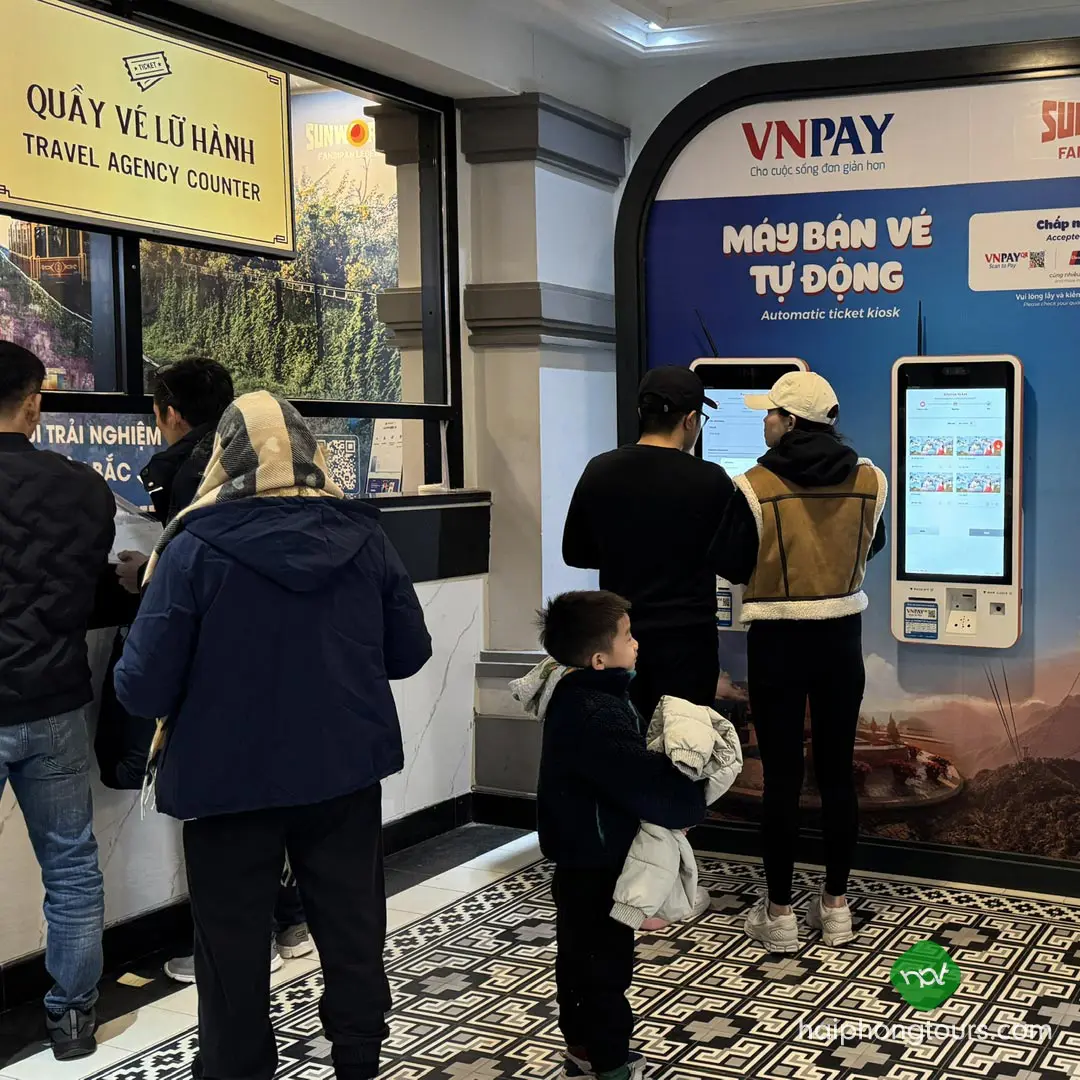
The park’s published visitor guidance requires trekking registration and permission, with an organized tour and accompanying guide rather than independent climbing. The park’s Tourism and Biological Conservation Centre is listed at Cầu Mây 1, Sa Pa, Lao Cai. Contact the park or your chosen organizer before travel; arriving at an office is not a guarantee of same-day approval.
Ask the organizer to confirm the approved route, guide name or allocation process, group size and required identity details. Supply passport information only through the organizer’s established booking channel. Carry your original identification as instructed and keep an offline copy of the booking.
Do not interpret a downloaded trail, another visitor’s GPS track or a cable-car ticket as permission to enter a forest route. If the proposed trail is closed, choose a different authorized activity or change the date.
Questions that reveal whether a quote is complete
Request a written breakdown rather than comparing two headline prices. At minimum, resolve:
- Transfers between your Sapa hotel and the correct trailhead.
- Park entry, trekking permission and any route-specific fees.
- Guide language, group size and whether a second staff member is available for a split group.
- Meals, drinking water and what you personally carry.
- Camp space, sleeping equipment and porter service for an overnight trip.
- The descent method, cable-car ticket if applicable and the vehicle meeting point afterward.
- Insurance coverage and exclusions for the route and elevation.
- Weather cancellation, postponement and partial-trip refund terms.
There is no useful universal “Fansipan trekking price” without these details. Public pages may display an admission figure or an incomplete booking template rather than the cost of a guided trip. Obtain the total for your dates and party before transferring money.
Prepare for the descent as carefully as the climb
Going downhill after a long ascent can be the part that exposes tired legs, poor-fitting shoes or an ambitious pace. When discussing your experience, describe a recent full-day hike with its descent, not only your gym routine or a short hill walk.
Ask for the guide’s turnaround procedure and explain any walking limitations before departure. A sensible decision to turn around is not a failed booking. Agree how the group will be managed if one traveler needs to descend while others continue; do not assume the guide can safely leave someone alone.
If a cable-car return is part of the plan, ask what happens when wind, maintenance or a late arrival prevents its use. A ticket is not a guarantee that the service will operate. The answer must fit your ability to descend, not merely the organizer’s preferred finish time.
What an overnight booking needs to specify
Ask whether you will sleep in a shared shelter or another arrangement, how many people share the space, and whether a sleeping bag and insulating mat are included. Request a description of toilets, washing facilities and drinking-water provision. Do not assume a camp at altitude has hotel-style bedding, charging sockets or a hot shower.
Keep dry sleepwear separate from clothes used on the trail. If a porter carries a group bag, put essential layers, water, medication and your headlamp in the daypack you keep with you. Confirm the personal baggage allowance before arriving with a full suitcase.
Leave your main luggage at the Sapa accommodation if storage has been agreed. Book a room for the night after the trek when possible, so a slow descent does not become a race to a night bus.
A practical packing approach
Use footwear you have already worn on long walks, with traction suited to wet and uneven ground. Bring a waterproof outer layer, warm layers for stops, a headlamp, sun protection and a bag liner or waterproof pouch. Confirm with the organizer how much water to carry and where any replenishment is available.
Trekking poles can help some walkers on long descents, but they need to be familiar equipment rather than a last-minute accessory. Keep hands free where the guide says the terrain demands it. Do not attach loose items where they can catch on vegetation or interfere with movement.
Tell the organizer about relevant health conditions in advance and seek individual medical advice if you are unsure about exertion at altitude. If you feel unwell during the climb, tell the guide immediately rather than continuing to meet a summit timetable.
Weather and the rest of your Sapa stay
Reserve flexibility around the hiking day. A forecast for Sapa town is not a guarantee of summit conditions, and a clear morning does not make the whole route predictable. Ask for the park and organizer’s decision close to departure rather than relying on a seasonal slogan.
Do not choose a night ascent solely because photographs show sunrise. Darkness changes the walking and navigation demands. The itinerary should be suitable for your experience, the guide’s assessment and current permission.
For a gentler alternate outing, consider the Love and Silver Waterfalls guide, subject to local access conditions. Bird-focused visitors should compare the distinct Sapa birdwatching trips rather than expect a summit trek to provide patient wildlife observation.
Is the hike right for your trip?
Choose it for the sustained walk and mountain experience, accepting that the summit view may be clouded. If the photograph is the only objective, a mechanical-access visit may fit better. If a long descent is the concern, do not hide that concern behind an unconfirmed cable-car assumption.
Contact Hai Phong Tours with your Sapa dates, recent hiking experience and preferred ascent and descent if you need help fitting the trek into a wider journey. Park permission and the actual trekking arrangements must be confirmed with the responsible organizer.