
A1 Hill makes much more sense when you read the ground as you walk. The crater, trenches and surviving defensive positions explain why this small hill mattered during the battle of Dien Bien Phu. Give it a deliberate visit, with time to stop at the interpretation panels, instead of treating it as a quick photograph beside the museum.
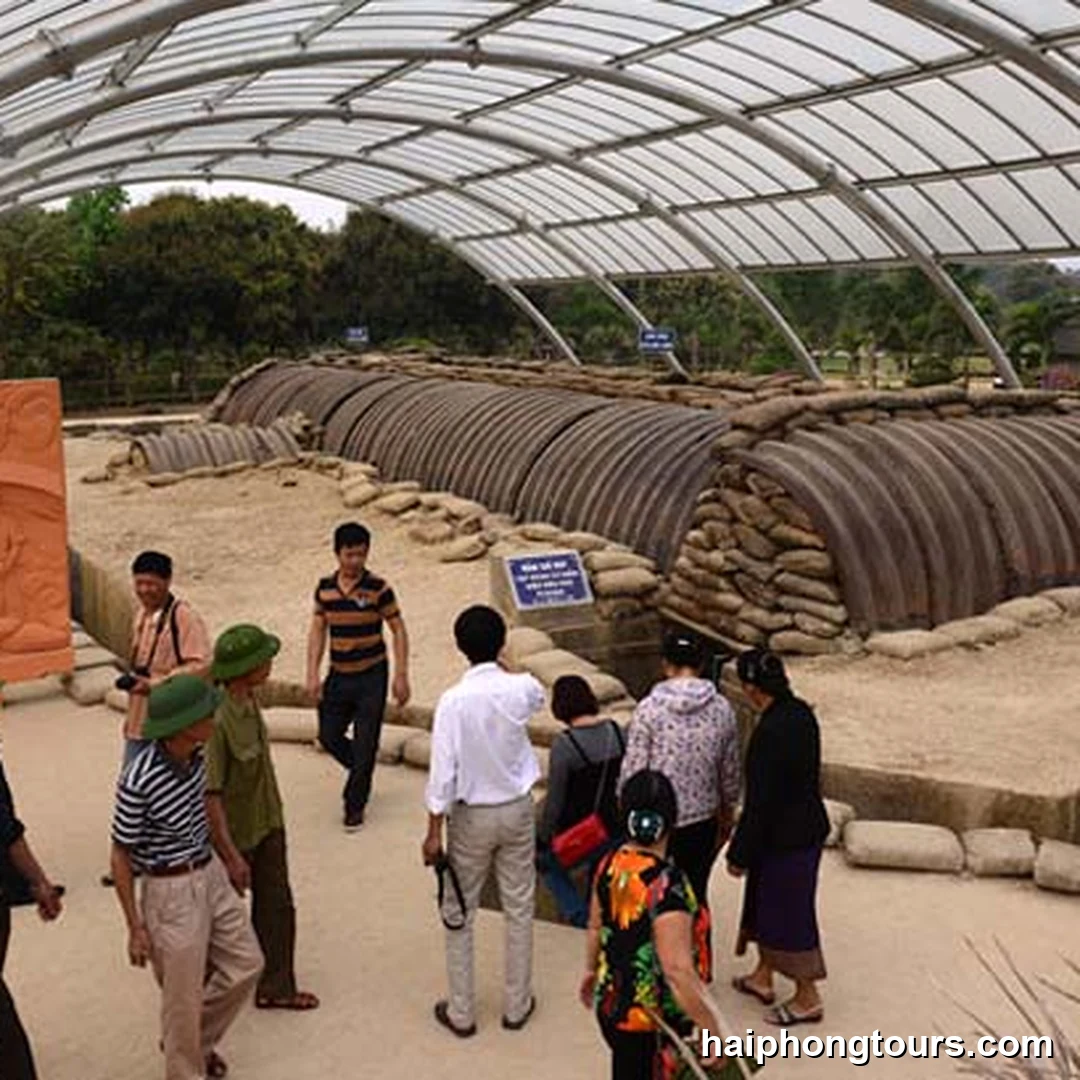
For most first-time visitors, a morning visit of about 60–90 minutes is a useful starting plan. That is our suggested allowance, not an official tour duration. A guide, a strong interest in military history or a slower walking pace can justify longer.
The details to save before you go
| Item | Practical detail |
|---|---|
| Vietnamese name | Di tích Đồi A1. The French defensive position was called Eliane 2. |
| Arrival | A1 Hill visitor entrance on the Võ Nguyên Giáp side of the central battlefield area, Điện Biên Phủ, Điện Biên. Ask for Đồi A1, not the museum or the A1 cemetery. |
| March to September | 07:00–11:00 and 13:30–18:00, under the manager’s notice issued on 16 March 2026. |
| October to February | 07:00–11:00 and 13:30–17:30 under the same notice. |
| Ticket reference | The provincial tourism centre published 25,000 VND per person for A1 on 27 October 2022. This is a dated budget reference; pay the current tariff displayed at the counter. |
| Visitor support | Heritage management visitor-support phone: +84 844 898 819. Ask about the A1 entrance, current ticket, guiding and any restricted areas. |
The midday closure matters. Arriving at 10:45 leaves little useful visiting time before 11:00. Either start earlier or have lunch first and return for the afternoon opening. The daytime timetable is for the heritage sites; the Victory Museum has its own visitor arrangements.
Get to the entrance without mixing up nearby sites
Show your driver this destination: “Cổng tham quan di tích Đồi A1, đường Võ Nguyên Giáp”. Ask to stop at the visitor entrance and agree where you will meet again. A map pin for the hilltop, cemetery or nearby museum is not a precise pickup point.

If you are walking from a central hotel, check the route from the hotel’s actual entrance before setting out. Cross at a suitable street crossing and keep the hill visit separate from the road walk. An attractive map distance does not include time in the grounds, heat, traffic or the lunch closure.
At the counter, buy the ticket for A1 and keep the receipt. Ask whether a site guide is available and which language they can provide. If English interpretation is important, arrange it before arrival rather than assuming that an available Vietnamese guide can conduct the same tour in English.

A useful way to read the hill
The official heritage description identifies preserved and restored bunkers, blockhouses, trenches, the explosion crater and the mine gallery. These are different parts of a battlefield landscape. The most useful question at each stop is how that position related to the slope and the positions around it.
- Begin with the site plan. Locate the entrance, crater and principal defensive positions. Take a photograph of the plan if permitted. It gives you a reference when individual trench sections begin to look similar.
- Follow the signed visitor paths through the positions. Look at the relationship between a bunker and its surrounding approaches. Use the panels to distinguish a preserved feature from a reconstruction; do not assume every visible surface is original.
- Pause at the crater. Read its explanation before photographing it. Seen in isolation, it is a hollow in the ground; connected to the neighbouring defences, it becomes part of the story of the final assault.
- Use the trench sections to understand movement. Look at where a route is covered, where it is exposed and what the visitor path lets you see. Enter only sections open to visitors.
- Finish at the memorial areas quietly. Give other visitors space for remembrance. A battlefield visit can be a personal or family commemoration as well as a historical excursion.
This is an interpretive sequence, not a promise that every section will be open or that the official route runs in that order. Follow barriers and staff directions on the day. If a section is closed, ask the guide to explain it from the nearest permitted viewpoint.
Choose how much history to put in one day
If you already know the outline of the battle, start outdoors while you are fresh and leave the Dien Bien Phu Victory Museum for a separate, properly timed visit. If the names and positions are unfamiliar, reading the museum guide first will help you understand what you are seeing at A1.
For a comfortable morning, have breakfast, reach A1 soon after opening, spend time on the hill and leave a margin before the 11:00 closure. Then take a real lunch break. Add another site in the afternoon only if the walking and heat still feel manageable. The Dien Bien Phu trip guide places these visits in the wider city itinerary.
Footing, weather and visitors who walk slowly
Wear shoes with grip and take water. This is a hill with outdoor paths and battlefield structures, not a level indoor exhibition. After rain, choose the signed main path and avoid trying to cross muddy banks for a better photograph. In strong sun, take pauses before tiredness makes steps harder to judge.
If steps, inclines or narrow spaces are difficult, ask the heritage team which parts can currently be reached from the entrance and where you can turn back. We have not verified a continuous step-free route. A shorter visit to agreed points can still be worthwhile; it should be planned from actual access information rather than the word “accessible” on a general listing.
Need the visit fitted around your arrival?
Keep your hotel name, arrival time, preferred walking pace and interest in an English-speaking guide together when arranging the day. If coordinating A1 with the museum, airport or a countryside trip becomes complicated, Contact us. Tell us which sites you actually want to spend time at, and we can help you plan the transport and timing around them.