
For a lower-walking day in Hai Phong, use a central hotel, door-to-door transport for the long gaps and one short outdoor block plus one verified seated or indoor block. Confirm the entrance, lift, toilet, seating and vehicle drop before describing any stop as suitable for an older traveler.
This is a planning framework, not an accessibility or medical certification. Hai Phong Tours recommends reducing transfers first: recover at the hotel after Cat Bi Airport or Hai Phong Railway Station, then build the day around the traveler’s own walking and rest limits.
Start with the hotel, not the attraction list
Ask whether the entrance is step-free or how many steps it has, whether the lift reaches the exact room floor and whether the vehicle stops at the door. Confirm shower access, any grab support, breakfast seating, a quiet room, medication refrigeration and late or early reception.
A star rating does not answer these questions. Request photographs or written details when a feature is essential. Keep medicine with the traveler until a suitable refrigerator is confirmed; do not place it in general luggage storage.
Build a low-transfer Hai Phong day
Arrival and recovery
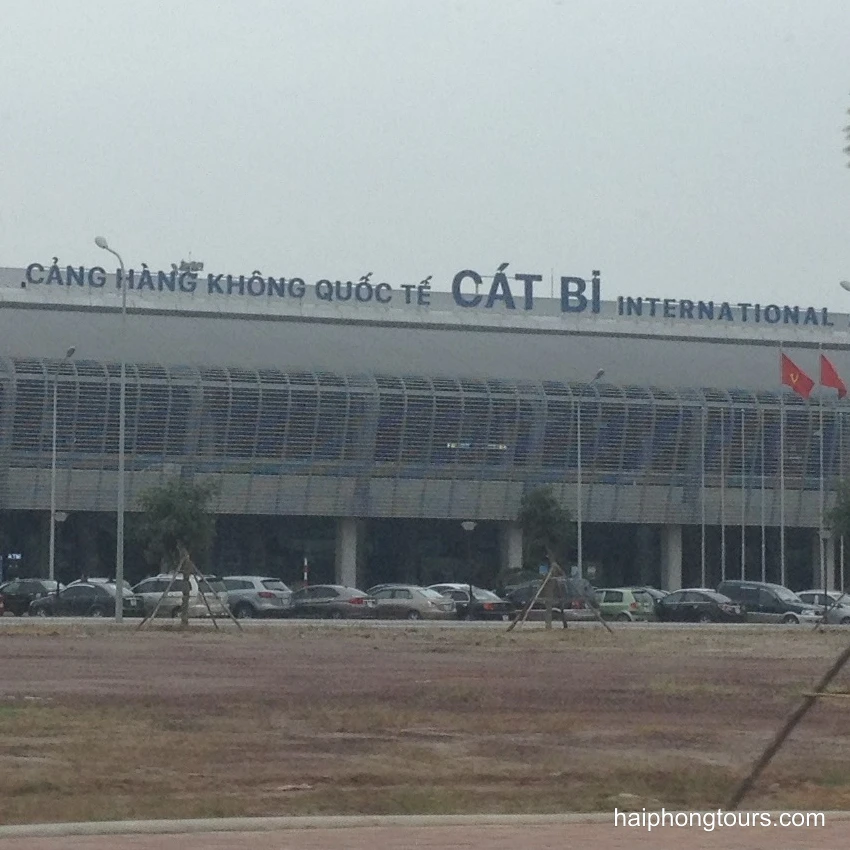
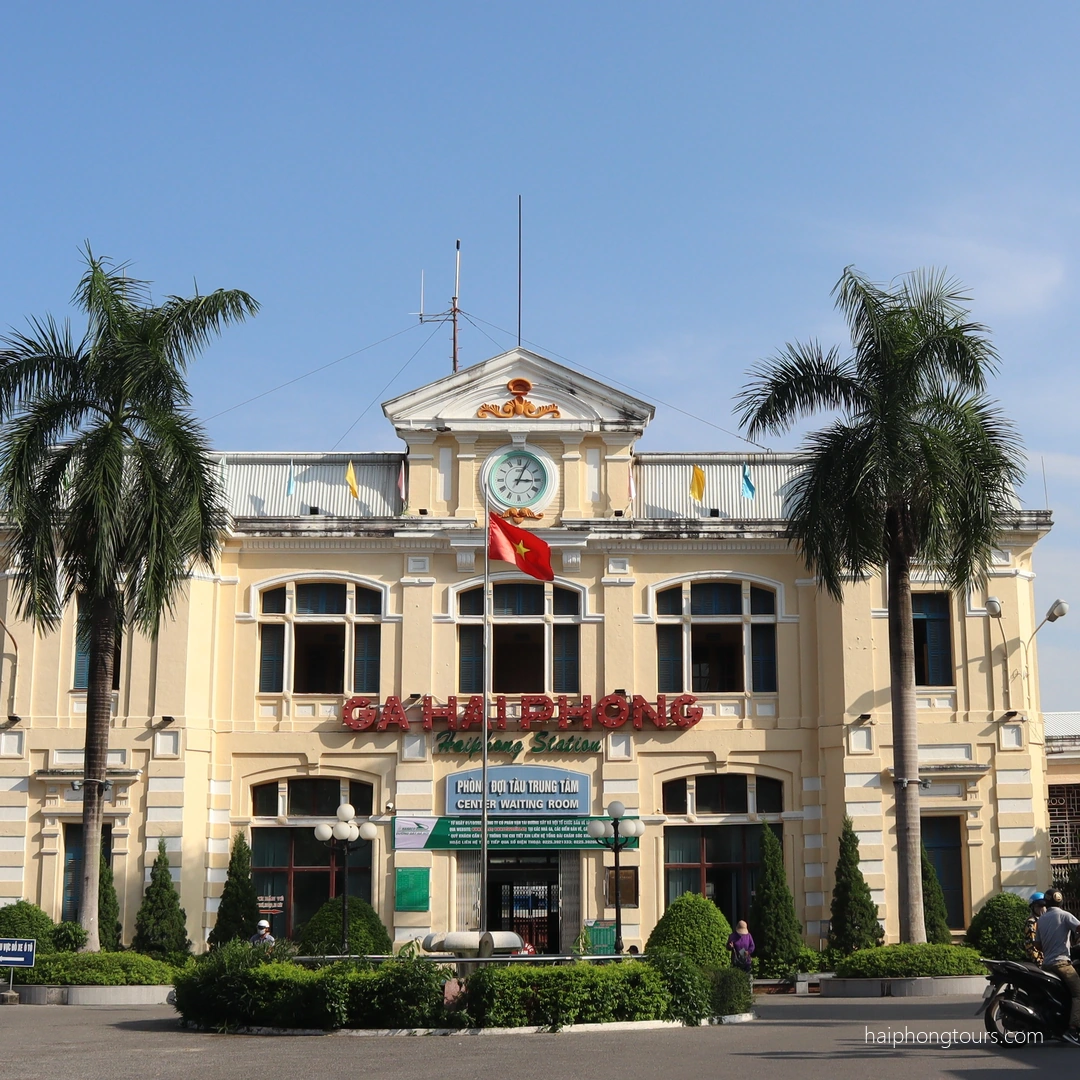
From Cat Bi Airport or Hai Phong Railway Station, use a prearranged vehicle that fits passengers, cases and a folding wheelchair or walker. Confirm the hotel entrance pin and early bag-drop or room policy. Scheduled arrival is not rest-ready time because bags, pickup and check-in still remain.
One compact outdoor block
The Opera House and Tam Bạc area can form a compact central block when weather, surfaces and road crossings suit the group. Set a turnaround point before fatigue. Check shade, seating, toilets and the legal vehicle pickup rather than treating a map distance as the walking load.
One verified indoor block
Hai Phong Museum or another indoor venue can work only after confirming same-day hours, entrance, lift, seating and toilet access. Do not promise accessibility or opening from an old listing. If the venue cannot answer an essential access question, use hotel recovery or another verified indoor option.
Hotel rest and nearby meal
Return before fatigue becomes the decision-maker. Use a nearby restaurant with a reachable entrance, supportive seating and toilet information. A shorter day with a proper rest is more useful than a cross-city checklist.
Audit the real walking load
- Vehicle drop to the entrance, including curbs or uneven pavement.
- Stairs, ramps, lift access and the path to a seat.
- Road crossings and time spent standing in a queue.
- Heat, rain, slippery surfaces and distance to a toilet.
- The return path when the traveler chooses to stop early.
Split the group when interests or walking speeds differ. Set one reunion point at the hotel or a verified seated venue. Do not force every traveler through the same walking circuit to preserve a group itinerary.
Ask the vehicle questions before assigning the car
Confirm seat height, easy entry, cargo space after passengers are seated and room for a walker or wheelchair. Ask whether the vehicle waits or returns and where the driver can legally stop. State rest-stop needs on longer journeys.
A private vehicle can reduce walking gaps, but it does not certify a venue. The Hai Phong city tour is relevant only if its current private itinerary can be adjusted to the verified walking, entrance and rest limits. Confirm those changes before booking.


Keep medication and health boundaries clear
Carry medicine, a written list, water, emergency contacts and the traveler’s own clinician plan. Confirm refrigeration requirements directly with the accommodation and use an appropriate personal container during transport. This article does not set storage temperatures or replace medical advice.
Serious or worsening symptoms require urgent local medical care. Cat Bi currently provides passenger-service information and a hotline, but airport assistance is not a substitute for a medical plan. Do not describe a tourism venue as providing medical support unless it has confirmed the exact service.
Use weather as a go-or-reduce decision
Heat warnings, heavy rain, poor air or slippery surfaces can convert the day to hotel recovery and one verified indoor block. Move the outdoor portion to a cooler or drier period only when conditions suit. Keep the last activity close to the hotel before a flight or train day.
Bring rain protection, hydration and a dry layer appropriate to the season, but do not use equipment as a reason to extend the day after fatigue. The turnaround point should be agreed before leaving the hotel.
Recover when an access promise fails
The lift or entrance is unsuitable
Do not improvise a risky carry. Use the vehicle to return to the hotel or another verified venue. Photograph the access issue and contact the booking provider when it conflicts with written confirmation.
The traveler tires earlier than expected
Use the planned turnaround and door-to-door pickup. Drop the second stop without replacing it. Rest, food, water and the traveler’s own health plan come before completing the itinerary.
Rain or heat changes the route
Move to the hotel or verified indoor space. Recheck vehicle pickup and surfaces before restarting. A café or mall is not automatically accessible; apply the same entrance, seating and toilet questions.
Use a two-block day
The practical Hai Phong plan is central base, short controlled outing, rest, one optional verified block and a nearby meal. Fewer handoffs create more energy for the parts the traveler actually values.
Reconfirm the return vehicle before starting the optional block, and keep the hotel address available offline.
Useful guides for your trip
Would you like help fitting this experience into your trip? Contact us with your travel dates, starting point, available time and group size. Tell us about walking limits or special interests so we can suggest a practical itinerary.