
If your Hanoi–Lao Cai train is canceled, get the cancellation and the railway’s proposed remedy in writing before you leave the station or buy a road ticket. Then choose among the next suitable train, an overnight in Hanoi, or a separate road journey based on your true endpoint. Lao Cai Railway Station and Sapa are not the same destination.
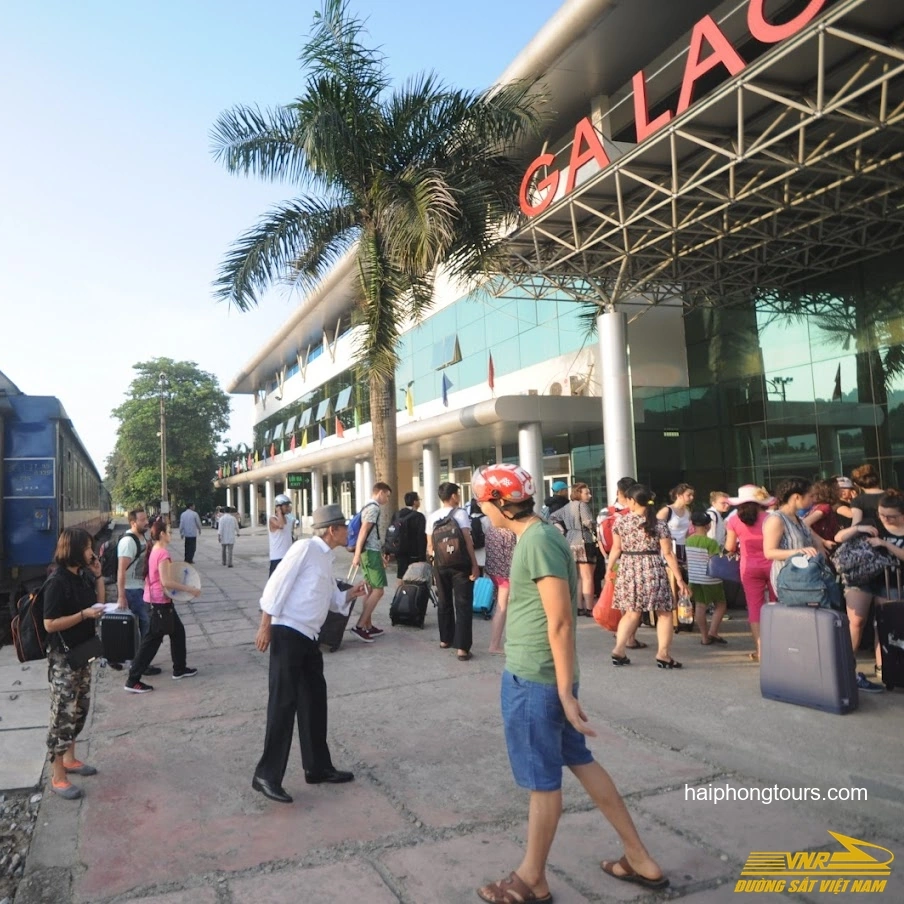
Vietnam Railways publishes several regular Hanoi–Lao Cai passenger trains, but that does not guarantee a seat or departure on your date. Search the official booking portal for the exact day and train after staff confirm the cancellation. A road booking is a new contract; it does not preserve your rail refund, hotel check-in, trek departure, or onward pickup automatically.
Record the cancellation before changing transport
Ask station staff or the official ticket channel to identify the canceled train, travel date, booking code, and reason or status they can record. Request the available railway remedy for the unused journey. Depending on the applicable conditions and cause, the railway’s response may involve the earliest suitable train, one equivalent-date change, or a refund for the unused travel.
Keep the original ticket, payment receipt, cancellation message, and the staff response. If you booked through an agent, ask whether the remedy must be processed by that seller. Do not accept an informal verbal promise as the only record when a hotel, insurer, tour operator, or replacement provider may later ask for evidence.
A passenger arriving late is treated differently from a train canceled or missed because of railway operations. State the facts accurately. Do not describe a personal late arrival as an operator cancellation, and do not surrender or alter the original booking until the official remedy is clear.
Confirm whether you need Lao Cai or Sapa
Lao Cai is the railway endpoint. Sapa requires an additional road journey from Lao Cai. Before comparing replacements, write down the final hotel, homestay, trek office, village, or station address. A road ticket ending in central Sapa does not solve a late arrival at a remote lodge, and a road booking to Lao Cai may still leave the mountain transfer unresolved.

Send the final pin to every provider. If someone is meeting the train in Lao Cai, tell them the original arrival is no longer valid. Ask whether the pickup can move to another train, change to a bus or car arrival point, or be canceled without creating a no-show charge.
Compare the three practical recovery choices
Take the next suitable train
This is usually the cleanest option when the railway can rebook you and your Sapa plans are flexible. Confirm the new train number, departure station, date, berth or seat, and arrival time. Hanoi has more than one railway boarding point in some service patterns, so use the station printed on the replacement ticket rather than assuming the original entrance.
Reconfirm the Lao Cai pickup after the new ticket is issued. Leave enough time for the road transfer to Sapa and for any hotel reception or trek cutoff. A later train may protect the rail fare but still make the original Sapa activity impossible.
Stay overnight in Hanoi
An overnight suits travelers who prefer a confirmed next-day rail departure or whose road alternative would arrive at an inconvenient hour. Choose accommodation with a clear late check-in, safe luggage storage, and practical access to the new boarding station. Record any extra expense if you may submit a claim, but do not assume it will be reimbursed.
Book a separate road journey
A road fallback can be useful when reaching Sapa matters more than retaining the rail itinerary. Confirm whether the vehicle goes to Lao Cai or Sapa, the exact pickup outside the station, scheduled stops, luggage allowance, arrival point, and what happens if departure is delayed. Do not buy until the rail status and remedy are documented.
If the final destination is Sapa, assess a Hanoi-to-Sapa road service on its own terms. It is not a substitute rail remedy and should not be presented as transportation to Lao Cai Railway Station unless that endpoint is explicitly confirmed.
Protect the Sapa booking
Contact the Sapa hotel, lodge, guide, trek organizer, or onward driver immediately. Give the canceled train number, the new realistic arrival, and the point where you expect to arrive. Ask for the latest check-in or activity cutoff and whether the booking can move to the next day.
For a trek or remote lodge, daylight and the last local pickup may matter more than reaching central Sapa quickly. Do not accept a road option that arrives after the provider’s safe pickup window unless a late-arrival plan is confirmed. If the first activity cannot be recovered, compare the cost of changing it with the cost and fatigue of an emergency overnight road journey.
Manage luggage and accessibility
Count suitcases, backpacks, mobility aids, strollers, and child equipment before choosing a replacement. A rail berth allocation does not transfer to a road vehicle. Ask whether the replacement has space after all passengers are seated and whether large or unusual baggage requires advance approval.
Travelers with limited mobility should confirm the correct station entrance, walking distance, platform assistance for a rebooked train, and the road vehicle’s step height. If changing to a shared road service, ask about rest stops and the exact drop-off. Keep medication, documents, water, chargers, and warm layers in a bag you can carry.
Protect onward connections
Rank the Sapa hotel, trek, international flight, and other fixed bookings by their change deadlines. A road estimate is not an arrival guarantee. Traffic, rest stops, mountain conditions, and an unfamiliar drop-off can consume the margin. Tell providers the revised plan early rather than waiting until the original check-in time has passed.
If the trip later returns to Hanoi for a flight, do not compress both directions to recover one lost night. Rebuild the entire itinerary with a safe buffer. Canceling or shortening Sapa may be more practical than creating a second fragile connection.
Cancellation recovery checklist
- Written train status and booking reference saved;
- railway refund or rebooking remedy requested first;
- exact Lao Cai or Sapa endpoint identified;
- replacement date, departure point, and arrival confirmed;
- Sapa hotel, lodge, trek, and pickup provider notified;
- luggage and mobility needs accepted by the replacement;
- late-arrival and no-signal meeting plan saved;
- onward flight or hotel buffers recalculated.
Hai Phong Tours should not be treated as the railway’s remedy for a canceled Hanoi–Lao Cai train. If your actual destination is Sapa, consider a separately confirmed road service only after the rail record is protected and the Sapa endpoint, arrival time, luggage, and pickup conditions all fit.
Useful guides for your trip
- Sa Pa Travel Tips: Weather, Trekking, Fansipan and Where to Stay
- Best Places to Visit in Hanoi: A First-Time 2-Day Plan
Would a private transfer make this journey easier? Contact us with your travel date, exact pickup and drop-off, number of travelers and bags. Include any flight, train or cruise deadline so we can assess a suitable plan and quotation.
