
The National Library of Vietnam at 31 Trang Thi, Hanoi can be part of a book-focused visit, but first decide whether you want an arranged library tour or time using its collections. Sightseeing, attending an exhibition and entering a reading room are different activities. Contact the library before making it a fixed stop in your itinerary.
For reading and research, foreigners can apply for a reader card using a valid passport. For a short cultural visit, ask about a tour and its charge instead of buying an annual card simply to look around. The library works best for travelers with a specific interest in books, publishing or a subject they want to investigate.
Choose the right kind of visit
- A look inside the institution: request a library tour, with the date, language, spaces included and fee agreed beforehand.
- Reading or research: arrange the appropriate reader card and check whether the material you need is available.
- A temporary exhibition: confirm its current dates, entry arrangements and language; an old announcement does not establish that it is still on display.
- A book to take on your travels: use a bookshop. Library reading material is for use on site.
The library is a working institution. Choose it because you want to understand or use its resources, rather than expecting a self-guided museum with every room open to visitors. For a wider itinerary, the North Vietnam literary travel guide connects reading with museums, historic places and book browsing.
Arrange a tour through the library
Library tours can introduce the institution and selected working or reading spaces. They require contact before arrival; an English-language description of the service does not guarantee an English-speaking guide waiting at reception.
Use the general inquiry email or switchboard. State that you are requesting a visitor tour, give your dates and group size, and explain whether your interest is the collections, library work or the building. Ask the library to direct you to the team handling the visit.
Request a weekday appointment and confirm the duration, total charge, meeting point and explanation language. Also ask which rooms can be visited and whether photographs are permitted. A booked tour should name what you will see; do not assume access to storage areas, rare documents or staff workspaces.
If you only want to see a current exhibition, say so. Its access arrangements may differ from a guided tour or a reading session. Keep a flexible alternative until the library confirms your visit, especially when you have only one day in Hanoi.
Reader cards for foreign visitors
Bring your valid passport to the card-issuing section at 31 Trang Thi. The registration process includes a form and a photograph taken there, so you do not need to bring a separate passport photograph. A standard adult reader card is VND 120,000 for 12 months.

The card desk normally works Monday through Saturday, 8–11:30 a.m. and 1:30–4:30 p.m., excluding holidays and the library’s internal closure day. That is a shorter schedule than the reading rooms. Arrive with time to complete registration rather than expecting a first card late in the evening.
Card inquiries can go to. Explain that you are a foreign visitor and how long you are staying. Ask which card suits your purpose, whether any additional details are needed, and which payment methods the desk can accept.
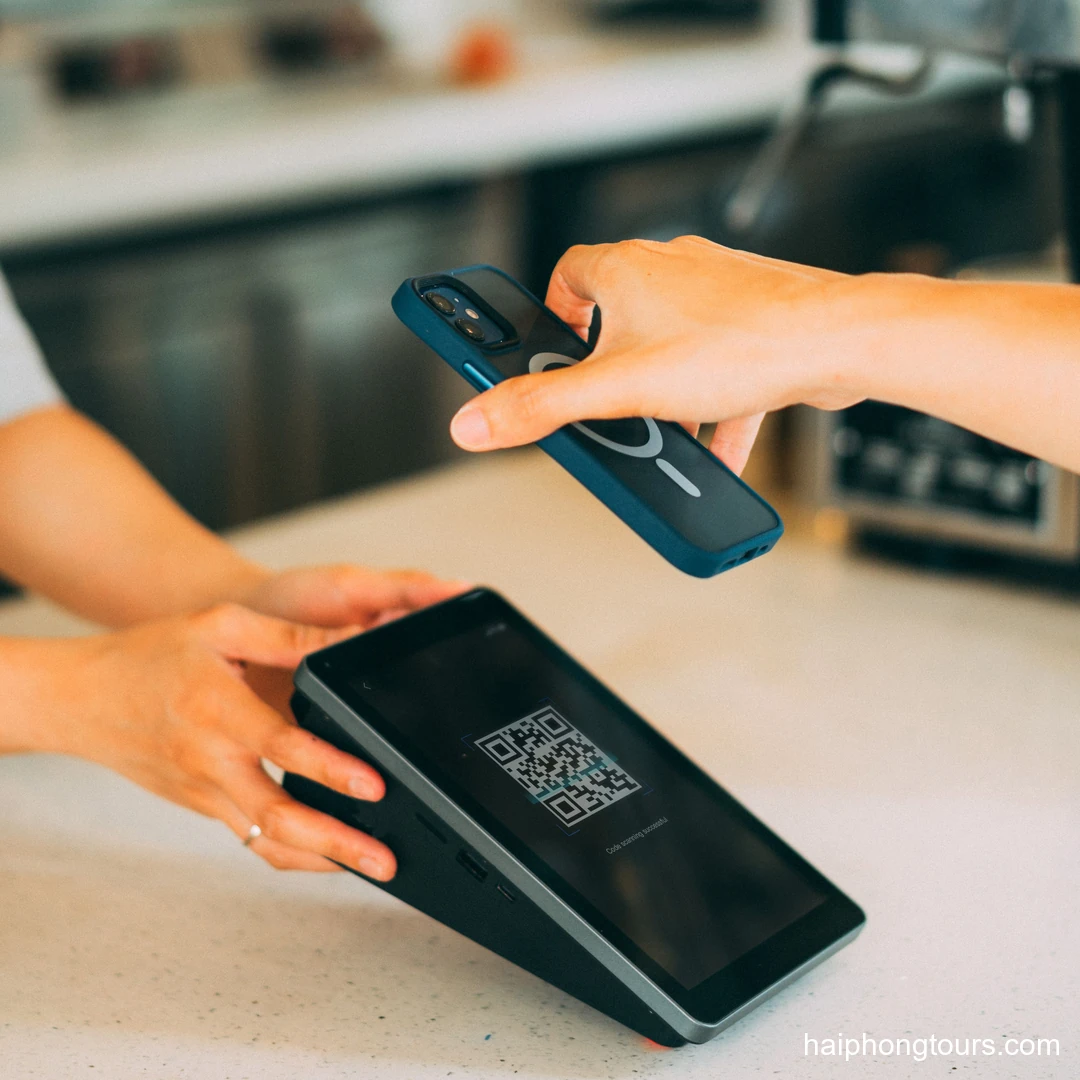
Online registration uses a separate form and QR payment process. If that payment route does not work with your banking arrangements, ask about completing registration in person. Do not assume that submitting a form or paying a fee alone gives immediate access to every specialist resource.
Check three different schedules
The general reader-service schedule is 8 a.m.–8 p.m., Monday through Sunday. The library closes for national holidays and for one internal workday each month, announced separately. Check the current closure notice before traveling, even if the weekday normally falls within opening hours.
Keep that schedule separate from the card desk and your visitor appointment. Sunday reading hours do not mean you can obtain a new card on Sunday; an evening opening does not mean a tour can start then. Use the appointment time agreed with the library for sightseeing.
For a first research session, leave a generous block for registration, orientation and requesting material. If you have a timed train or flight later, choose one manageable task instead of assuming that a specific document can be retrieved immediately.
Find useful reading before you arrive
The library has both self-selection reading areas and material requested from closed stacks, including a multilingual reading room. Start with its online catalogue and note the author, exact title, publication language and catalogue reference for anything important to your trip.
Send a short list to the library when the visit depends on particular items. Ask whether they can be consulted, how they are requested and whether a digital version would meet your needs. A catalogue record identifies a work; it does not promise that the physical copy will be ready at your chosen time.
Some digital material can be consulted online, while other databases require access through the library. Check that distinction before buying a card or reserving a whole research day. The reading desk can help you identify the appropriate room and request procedure.
For travel reading you want to own, the English bookshops in Hanoi guide offers a more suitable route. Keep shopping and library research as separate tasks; they solve different needs.
Respect reading-room rules
Bags and personal printed books, newspapers and magazines are restricted in reading rooms. Bring only what you need and ask staff where belongings should be stored. Have your reader card and identification ready for the desk; confirm arrangements for a laptop or other research equipment before relying on them.
Library documents stay inside the permitted reading area. Keep calls and conversation outside, handle pages carefully, and report damage you notice before using an item. Ask the librarian about copying rather than treating phone photographs or scans as automatically allowed.
A quiet study environment is also not a setting for video calls or a staged photo session. If you need step-free access, send the names of the rooms you hope to use and ask about the complete route, including toilets. Being centrally located does not establish that every collection is equally accessible.
Make it one purposeful part of a Hanoi day
Give your driver the Vietnamese name Thư viện Quốc gia Việt Nam, 31 Tràng Thi. It is separate from the Temple of Literature and the Vietnam Literature Museum. Confirm the entrance or meeting point with your contact, then keep meals and other appointments outside the agreed visit.

A useful plan is one confirmed library task followed by a relaxed bookshop or reading stop. For a longer stay devoted to a project, the North Vietnam writing-retreat guide helps protect time for research and writing. The key preparation is simple: identify what you want from the library, obtain the right access arrangement, and check the relevant desk’s hours.
Useful guides for your trip
Would you like help fitting this experience into your trip? Contact us with your travel dates, starting point, available time and group size. Tell us about walking limits or special interests so we can suggest a practical itinerary.