
The real cost of the Ha Giang Loop is the amount needed to complete the same trip safely, not the lowest package headline. Compare transport to Ha Giang, loop days, vehicle and rider, fuel, meals, room type, entrance fees, protective equipment, insurance, deposits and onward travel before deciding which quote is cheaper.
Published Ha Giang Loop prices to compare
These operator examples were checked on 10 November 2026. They show the cost of specific published packages, not a cheapest-market survey. Prices are per person in Vietnamese dong. Start by matching the riding style and bus inclusion; a self-ride fare and an easy-rider fare buy different services.
Jasmine’s published group options use dorm accommodation unless a different room arrangement is selected. QT’s starting car price uses a four-person private party. Neither label establishes the price of a private room for one traveler, a single supplement or an airport connection.
What the numbers mean for your own budget
For two people choosing Jasmine’s published three-day easy-rider option with the two-way bus, the listed package total is 10,464,000 VND. The four-day equivalent is 13,200,000 VND. The difference is 2,736,000 VND for the pair. Compare what that extra day adds to the route and meals before dividing the whole trip into a daily rate.
For a party of four, QT’s listed three-day private-car starting rate gives a total of 24,000,000 VND before optional transfers and upgrades. That arithmetic does not turn the same tour into a 6,000,000 VND total for a solo traveler. A private vehicle has fixed costs that are shared differently by each party size.
Build a personal-spending allowance separately. For example, choosing 200,000 VND per person per day for drinks, snacks and other discretionary purchases adds 600,000 VND to a three-day plan or 800,000 VND to a four-day plan. This is a budgeting assumption you can change, not a measured local spending average. Tips, private-room upgrades and insurance should be separate lines.
A fair comparison uses the same departure date, room arrangement, passenger or rider role, bus type and tour length. An operator’s published starting price is a useful anchor; the final written quote is what fixes your actual inclusions.
Ha Giang Loop cost in one formula
Total trip cost = transport to and from Ha Giang + Loop package or rental + accommodation upgrades + excluded meals and activities + insurance and document costs + personal spending + delay buffer.
Write each part in the same currency and for the same number of travelers. A quote “per group” can look expensive beside a “per person” price until you divide it correctly. A private-car price may also change with passenger count, while an easy rider usually needs one rider and one motorcycle per guest.
What usually changes the price most?
- Three days versus four: the additional day adds a rider or driver day, vehicle use, meals and one night.
- Self-drive, easy rider or car: each mode has a different vehicle, labor and risk structure.
- Group versus private: group costs are shared; private arrangements buy control over pace, room and stops.
- Dormitory versus private room: many lower group prices use shared accommodation unless an upgrade is confirmed.
- Hanoi transport: some packages include a specific bus, while others begin only after arrival in Ha Giang.
- One-way onward travel: a Hanoi return bus does not help a traveler continuing directly to Ninh Binh, Sapa or Cao Bang.
- Season and availability: rooms and vehicles can become harder to secure during weekends, festivals and popular autumn dates.
Cost by travel mode
Self-drive motorcycle
The base price normally covers the motorcycle for a stated period. Your real budget may also need fuel, a damage deposit, protective clothing, luggage straps, rain gear, accommodation, food, entrance fees, parking, repairs and transport before and after the Loop.
Self-drive is financially sensible only when you are legally licensed for the motorcycle class, have qualifying documents for Vietnam, carry suitable insurance and already have relevant mountain-road experience. A cheap rental can become the most expensive option if an unlicensed or excluded activity leaves an accident claim unpaid.
Ask whether the quoted day means 24 hours or a calendar day, what time the motorcycle must return, which engine and model you will receive, and how existing damage is recorded. Photograph the vehicle during handover and make sure both sides retain the condition record.
Group easy-rider tour
A group easy-rider price may combine the motorcycle, local rider, fuel, guide or group leader, simple accommodation and meals. It can be good value for a solo traveler who wants the open-air route without driving.
Confirm whether every guest has a dedicated rider, how many motorcycles travel together, what room type is used, which meals and drinks are included, and whether the Hanoi bus is part of the same price. Protective gear, entrance fees and a Nho Que boat may be included by one operator and excluded by another.
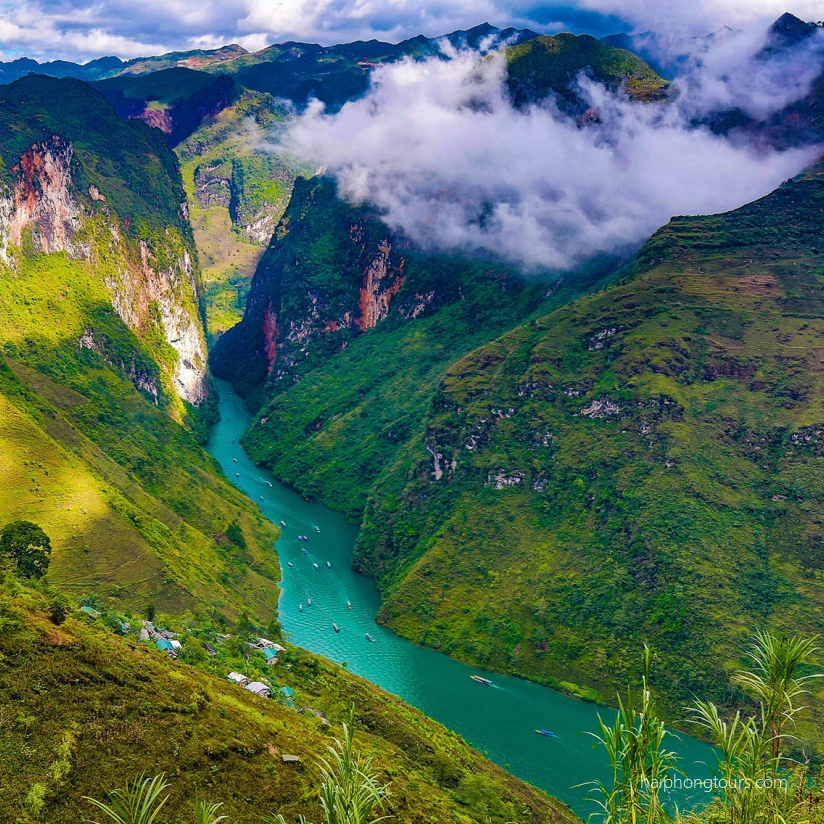
A lower group price often reflects larger groups, shared rooms or less control over pace. Those are product differences rather than automatic defects. The price becomes misleading only when they are hidden before payment.
Private easy rider
A private easy rider usually costs more because the rider’s time and motorcycle are not spread across a larger group. The value is a pace that can respond to your interests, weather, photography, comfort and need for breaks.
“Private” should describe more than the person driving your motorcycle. Ask whether meals, rooms, sightseeing and the daily departure are also private or whether you will join a larger group at stops and accommodation.
Private car or jeep
A car price may be quoted per vehicle, per group or per person. Confirm the maximum number of passengers with luggage, vehicle type, seat belts, driver, fuel, tolls, parking, driver accommodation, meals and empty-return charges.

A car can offer strong value for two or more comfort-focused travelers, families or guests who cannot sit on a motorcycle. It also protects against rain and cold. It may not fit every narrow village road or small roadside stop, so the itinerary should match the actual vehicle.
The self-drive, easy-rider and car comparison helps choose the mode before comparing prices.
What “all-inclusive” needs to specify
An all-inclusive label has no useful meaning until the operator names each inclusion. Ask for a written list covering:
- the exact start and finish locations;
- number of Loop days and nights;
- transport between Hanoi and Ha Giang, including bus class;
- bed before an early-morning departure;
- motorcycle, rider or driver and fuel;
- helmet, rain gear and other protective equipment;
- guide language and maximum group size;
- each night’s room type and occupancy;
- breakfasts, lunches, dinners and included drinks;
- entrance, parking and local visitor fees;
- Nho Que boat and transport to its boarding point;
- Ha Giang luggage storage;
- insurance provided by the operator, if any;
- taxes and payment fees.
Then ask for the exclusion list. If the seller only repeats “everything included,” the quote is not ready to compare.
Three days and four days are different products
A three-day tour should cost less, but it also concentrates more road into each day. It may remove Du Gia, reduce cultural stops or make a late first-day arrival harder to absorb. The saving is weak if you spend the trip rushing or add a fourth day after reaching Ha Giang.
Four days adds direct cost while improving the chance of daylight travel and a comfortable pace. It can be better value for a first visit because the same major landscape is experienced with fewer forced trade-offs. Read the realistic three-day and four-day itineraries before asking operators to quote.
The Hanoi bus can distort the comparison
Some packages begin and end in Hanoi. Others begin in Ha Giang city and offer buses as optional extras. Compare the same transport direction, bus class, pickup district, departure time and arrival arrangement.
A night bus that arrives before dawn may include only a short shared bed or waiting area. If you need a private room through the morning, add it to the total. The night-bus arrival guide explains when the extra sleep is worth more than an early start.
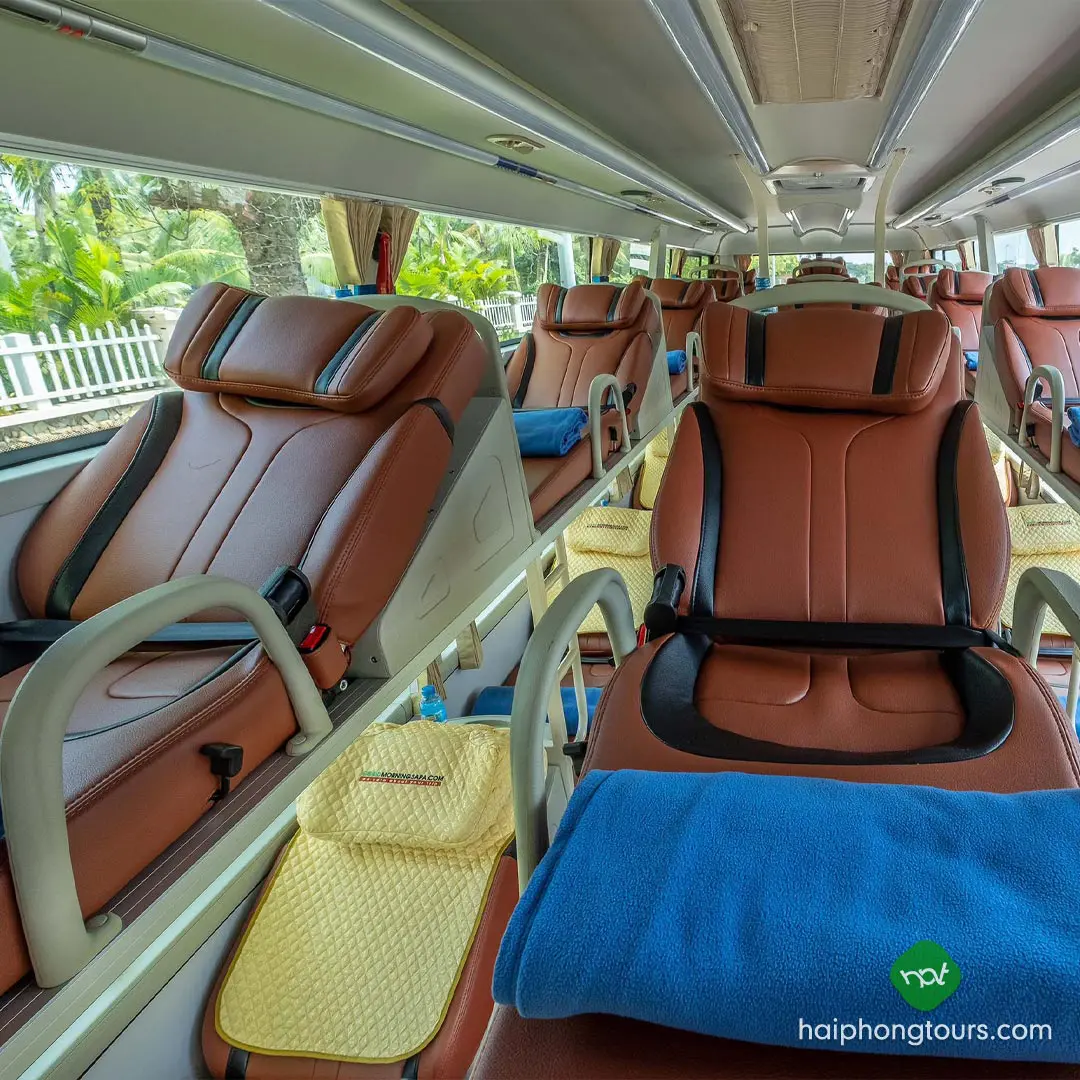
If you continue to another destination, remove the unused Hanoi return and price the correct onward route. A nominally free round trip has no value when one half moves you in the wrong direction.
Accommodation is more than “homestay included”
Confirm whether the accommodation is a dormitory bed, shared private room, private room with shared bathroom, or private en-suite room. Ask how solo travelers are paired and whether a single supplement applies.
In colder months, ask about blankets, heating and hot water. During busy dates, request the property names or at least the overnight towns and room standard. A substitute may be necessary, but it should provide the room type you purchased.
A party-oriented dorm and a quiet private homestay meet different needs. Do not compare them by price alone if sleep affects your ability to ride or enjoy the next day.
Meals and drinks
Count the included meals by day. “Meals included” may start with lunch on Day 1 and finish with lunch on the final day, leaving breakfast before departure and dinner after return outside the package.
Ask whether water, soft drinks, coffee and alcohol are separate. Confirm vegetarian, allergy and religious requirements before payment, especially when meals are shared and rural kitchens have limited substitutes.
Keep cash for snacks and a meal during delays. A road change may place the group outside the restaurant assumed by the itinerary.
Entrance fees and optional activities
Common itineraries may include museums, residences, flag-tower access, parking, viewpoints or a Nho Que boat. The combination changes by route. Ask for named inclusions rather than assuming every pin in the itinerary has a prepaid ticket.
An optional activity also uses time. A boat price without descent transport, waiting and return scheduling does not describe its full cost to the day. Keep Ma Pi Leng and safe daylight as priorities when the route runs late.
Deposits, damage and repairs
A self-drive rental can require a cash deposit, card hold, passport arrangement or other security. Ask the amount, accepted method, refund timing and evidence needed for any deduction. Do not leave an original passport when a lawful alternative is available without first understanding the terms and risk.
Record the motorcycle from every side in good light. Include wheels, tires, mirrors, exhaust, controls and luggage rack. Confirm responsibility for punctures, mechanical failure, recovery, lost keys and damage caused by another driver.
An easy-rider passenger should also ask who pays if the motorcycle fails or the route requires recovery. The operator’s vehicle problem should not automatically become an unpriced passenger expense.
Travel insurance is not one simple line item
Check whether your policy covers riding or being a passenger on the motorcycle size used. Self-drivers need the correct national licence and a qualifying international driving permit for the class. Helmet, alcohol and lawful-riding conditions can affect cover.
An operator saying “insurance included” may refer to a local product with limited benefits rather than full travel medical and evacuation cover. Request the insurer, policy type, benefit limits, exclusions and claims process. Keep your own insurer’s assistance contact offline.
Use the Ha Giang Loop licence and safety guide to verify the legal and equipment questions that sit behind the price.
Weather and cancellation terms
Mountain weather can shorten a day, change an overnight stop or close a road. Before paying, ask what happens when the operator changes the route for safety, when official warnings prevent departure, or when you choose not to continue.
Clarify:
- deposit amount and payment deadline;
- refund and date-change windows;
- fees retained after a weather cancellation;
- whether unused rooms, buses or activities are refundable;
- what alternative route or transport is offered;
- who pays for an extra night caused by disruption.
Keep the terms in writing. A screenshot of a disappearing chat message is weaker than a clear invoice and cancellation policy.
How much cash should you carry?
Carry enough Vietnamese currency for excluded meals, drinks, small admissions, fuel if self-driving, parking, medicine and one unplanned stop. Rural card payment and mobile signal are not guaranteed.
Split cash between secure places rather than putting the entire budget in one wallet. Keep a separate emergency amount and more than one payment method. Ask where the next reliable ATM is instead of assuming every overnight village has one.
Tipping should remain voluntary. If you want to tip a rider, driver or guide, base it on service and your own budget; do not let an undefined expected tip hide inside the package comparison.
A quote comparison sheet
Create one row for each operator and fill every field below:
- Total price and currency.
- Per person, per motorcycle, per vehicle or per group.
- Payment fees and exchange-rate rule.
- Loop start and finish.
- Number of road days and nights.
- Hanoi or onward transport.
- Travel mode and actual vehicle.
- Group size and guide language.
- Room type for every night.
- Number of included meals.
- Named tickets and activities.
- Protective gear and rain equipment.
- Deposit, damage and recovery terms.
- Cancellation and weather policy.
Add the cost of every required upgrade and exclusion. The lowest resulting total may still be a poor choice if the daily route, safety practice or room arrangement does not fit you.
Price warning signs
- The seller will not state whether the price is per person or per group.
- The room is described only as “homestay” without occupancy or bathroom details.
- A self-drive package dismisses licence and insurance questions.
- The operator promises every stop regardless of weather or daylight.
- The rider, driver, vehicle or group size cannot be identified before departure.
- Damage rules appear only after the deposit is paid.
- The invoice has no legal business name, booked dates or clear inclusions.
- A large discount requires immediate irreversible payment.
Where paying more can improve the trip
A private room can protect sleep. A fourth day can protect daylight. A smaller group can reduce waiting and make route changes easier. Better helmets and verified riders address risk more directly than decorative package extras.
Paying more does not prove quality. Verify the part you are buying: room standard, group cap, vehicle, rider, route flexibility or cancellation terms. A premium label without evidence is only a higher price.
Where you can save without weakening the trip
- Use a group easy rider when the room, pace and group size suit you.
- Travel on weekdays outside festival dates.
- Remove an activity you do not value instead of compressing the whole route.
- Store the large suitcase and carry a small waterproof bag.
- Book the correct one-way bus rather than an unused return package.
- Share a private car among a suitable number of passengers.
Do not save by removing insurance, using an invalid licence, accepting a damaged helmet, overloading a motorcycle or riding after dark.
Final cost decision
Compare complete four-day totals when four days is the route you want, and compare complete three-day totals when time is fixed. Make every seller quote the same transport, room, meals, fees and activities before choosing.
The best-value Ha Giang Loop is the one whose inclusions you can verify and whose pace, safety and accommodation fit the traveler. A transparent higher quote is often cheaper than rebuilding a low headline price one surprise at a time.
Useful guides for your trip
Would you like help fitting this experience into your trip?
Contact us with your travel dates, starting point, available time and group size. Tell us about walking limits or special interests so we can suggest a practical itinerary.