
For a practical tea trip in North Vietnam, use Thai Nguyen for accessible green-tea culture, Moc Chau for broad plantation landscapes, and Ha Giang or Suoi Giang for high-mountain Shan Tuyet tea and community context. Hanoi is the easiest place to taste several styles before deciding whether a rural visit is worth adding.
Tea names do not guarantee origin, age or processing method. Ask who produced it, where the leaves grew, when they were processed, whether flowers or flavoring were added, and how the seller recommends brewing it. Buy a small sample before committing to an expensive gift pack.
Quick tea decisions
- Best first tasting: a focused tea house in Hanoi that identifies origin and style.
- Best easy tea-region trip: Tan Cuong and nearby tea areas in Thai Nguyen.
- Best plantation landscape: Moc Chau.
- Best ancient-tree context: Shan Tuyet areas in Ha Giang or Suoi Giang.
- Best everyday local drink: plain green tea or fresh-leaf tea when available.
- Best floral style to compare: lotus- or jasmine-scented tea from a producer that explains the method.
- Best buying rule: taste the same batch you will take home.
- Best brewing rule: start with cooler water and shorter infusions, then adjust.
- Most important health point: tea contains caffeine, and strength varies by leaf and brewing.
- Most important photography rule: obtain permission before photographing workers, homes or close production.
Understand the main tea styles
Green tea
Green tea is the most familiar northern style. Leaves are heated after picking to limit oxidation, then shaped and dried. The result may taste fresh, vegetal, nutty, sweet or astringent depending on cultivar, harvest and processing.
Do not judge quality by bitterness alone. Water that is too hot, too many leaves or an infusion left too long can make a good tea harsh.
Fresh-leaf tea
Che tuoi uses fresh green leaves rather than a finished dry tea. The leaves may be crushed or folded and steeped or simmered. It can taste brisk, leafy and strongly tannic. It is a local everyday format rather than a product designed for long transport.
Shan Tuyet tea
Shan Tuyet refers to large-leaf tea associated with cool northern mountain areas, including old trees in parts of Ha Giang and Yen Bai. Producers can process the leaves into green, white, black or other styles. The name alone does not identify one flavor or prove that the leaves came from ancient trees.
Ask for the commune or mountain area, producer, tree or garden description, harvest and processing style. Claims such as ancient, wild or snow need more explanation than a premium label.
Oolong tea
Oolong is partially oxidized and often rolled. Moc Chau and other cooler growing areas produce oolong alongside green tea. Infusions can range from floral and creamy to roasted. Use repeated short steeps to observe how it changes.
Black tea
Black tea is more fully oxidized and may be sold as loose leaf, an export style or a processed Shan tea. It is usually more tolerant of hotter water than delicate green tea. Check whether the tea is plain or blended.
Lotus- and jasmine-scented tea
Floral tea may be scented through contact with flowers, blended with dried petals or flavored by another method. These processes produce different aromas and prices. A strong perfume does not by itself prove a traditional process or higher quality.
Iced tea, lemon tea and milk tea
Tra da is everyday iced tea served at many meals and street stalls. Tra chanh normally combines tea, citrus and sweetener. Milk tea is a separate modern drink category with dairy or nondairy creamer, sugar and toppings. Ask about ice, milk, allergens and sweetness when they matter.
Thai Nguyen: green tea and an accessible rural visit
Thai Nguyen is the best-known northern green-tea destination and one of the simplest tea regions to add from Hanoi. Tan Cuong is the name most international visitors encounter, but the useful experience comes from a real producer or cooperative that can explain growing, picking, heating, rolling and brewing.
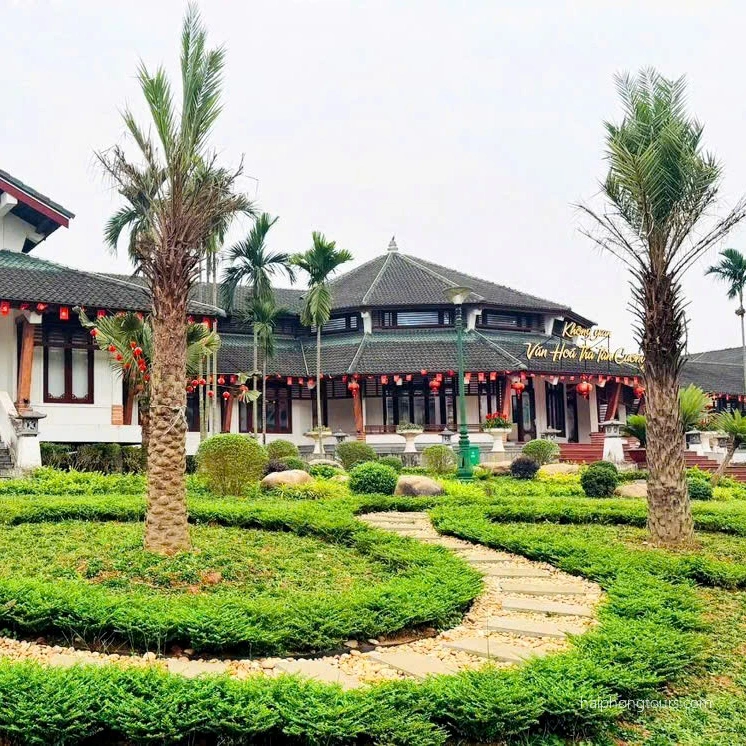
A visit may include tea gardens, a processing area and a tasting. Harvest and production activity depend on season, weather and work schedules. Confirm that the host will be present and whether interpretation is available before traveling.

Tea fields are agricultural land. Stay on the permitted path, avoid touching machinery and ask before picking leaves. A staged picking photograph is not evidence that the visitor has learned the actual harvest standard.
The existing Thai Nguyen food and tea guide adds local dishes and gift-buying context for a longer visit.
Best for: first-time tea travelers, green tea and a manageable trip from Hanoi.
Limitations: language support varies, production is not constant, and a retail stop may offer less depth than a producer visit.
Moc Chau: tea landscapes and several processing styles
Moc Chau’s plateau contains large tea-growing areas and visually ordered fields. Travelers often visit for the landscape, while the tea itself may include green, oolong and other processed styles. A heart-shaped field is a tourism image, not a separate tea category.
The region is far enough from Hanoi that it should be part of a Moc Chau stay rather than a rushed tea-only day trip. Combine one plantation or factory experience with the plateau’s other seasonal interests, but do not assume every farm admits visitors.
Ask whether the stop is a viewpoint, a working garden, a factory or a tasting room. Each gives a different experience. Machinery areas may have restricted access for safety and hygiene.
The Moc Chau travel guide explains seasons, road planning and how many days the wider destination needs.
Best for: plantation scenery, road trips and comparing green with oolong styles.
Limitations: long travel from Hanoi, changing agricultural appearance and variable visitor access.
Ha Giang: ancient-tree claims and remote logistics
Mountain communities in Ha Giang produce Shan Tuyet tea in areas such as Hoang Su Phi and around the Tay Con Linh range. Some landscapes include old tea trees and steep terrain. The cultural and environmental context matters more than buying the most dramatic age claim.
Access can require narrow mountain roads, a local guide and walking. Weather affects both the road and harvest. Build the tea stop into a multi-day Ha Giang or Hoang Su Phi itinerary rather than detouring from a fast loop.
Ask who owns or manages the trees, who processed the tea and how the purchase supports the producer. Avoid climbing a tree or entering a garden without the host’s permission.
The Hoang Su Phi travel guide covers seasons, accommodation and the slower road planning this tea region needs.
Best for: mountain tea, community context and travelers already spending several days in Ha Giang.
Limitations: remote roads, limited interpretation, weather and unverifiable marketing claims.
Suoi Giang: the highlands above Nghia Lo
Suoi Giang, now in Van Chan commune, Lao Cai province and formerly in Yen Bai, is associated with old Shan Tuyet tea trees and highland production. It suits travelers building a route through Nghia Lo, Tram Tau, Mu Cang Chai or the western mountains rather than a quick Hanoi excursion.
Confirm road conditions, host availability and the exact village before departure. Place names can refer to a commune, a wider production area or a commercial brand. A bag sold in Hanoi with the Suoi Giang name is not a substitute for traceable producer information.
The Suoi Giang ancient-tea visitor guide explains the named old-tree garden, tasting and brewing classes, plus how to arrange harvesting separately. Choose the activity and teaching language before deciding between a day visit from Nghia Lo and a highland overnight stay.
Best for: a western mountain route and travelers interested in old-tree tea.
Limitations: substantial road time, seasonal field conditions and fewer English services.
Phu Tho and other production landscapes
Phu Tho has long-established tea production and accessible tea hills in parts of the province. It can show the agricultural scale of tea without the premium ancient-tree narrative. Not every production area is organized for independent tourism.
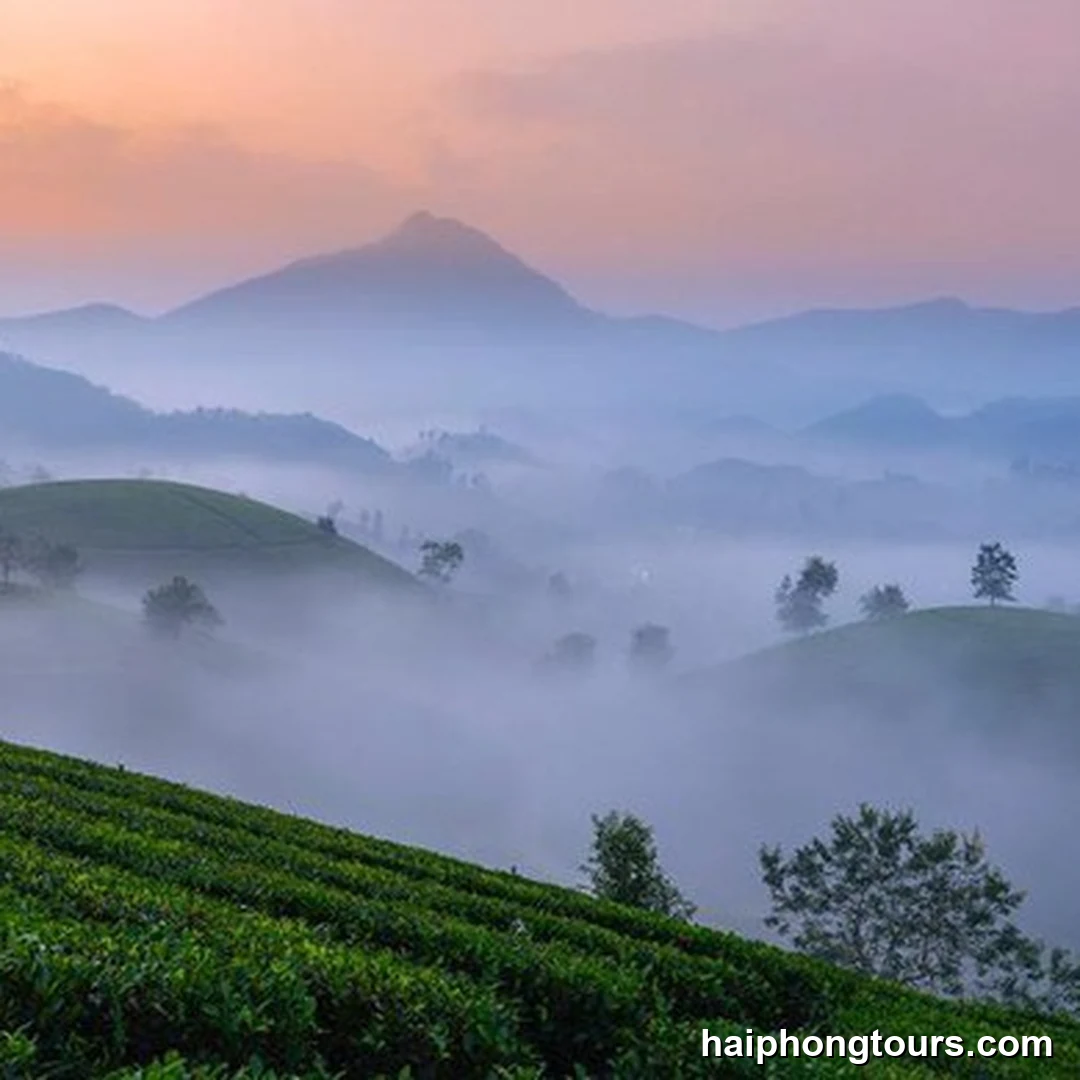
Other northern provinces also grow tea. Treat origin as a specific producer and place rather than assuming that every northern tea belongs to one famous region.
Tea houses in Hanoi
A good Hanoi tasting can be more useful than a rushed farm trip. Look for a menu or host who can identify region, processing style and brewing method. Ask to compare two teas side by side rather than ordering the most expensive pot.
Traditional atmosphere, antique furniture and elaborate utensils do not establish leaf quality. The useful evidence is traceability, clean storage, a clear explanation and a sample that matches the product for sale.
Tea service may be quiet and slow. State whether you want a tasting lesson, a social drink or to buy gifts so the host can set the right pace.
How to taste without pretending to be an expert
- Smell the dry leaf and note whether the aroma is fresh, floral, roasted, smoky or stale.
- Look at the leaf shape and whether the batch appears reasonably consistent.
- Smell the warmed or wet leaf after water is added.
- Taste a small sip after it cools enough to notice sweetness, bitterness and texture.
- Try a second infusion before judging a tea designed for repeated steeps.
- Ask how the producer recommends changing leaf amount, water and time.
You do not need poetic tasting notes. Simple observations such as light, strong, drying, sweet after swallowing or too perfumed are enough to compare teas.
Brewing a useful first cup
Use fresh water and clean equipment. For green tea, begin with water below a full boil and a short infusion. If the cup is thin, use more leaf or a longer time; if it is harsh, reduce temperature or time.
Oolong and Shan styles often support several short infusions. Black tea generally tolerates hotter water. The seller’s method is a starting point rather than a rule, because leaf size, processing and personal taste differ.
A brief rinse is common in some tea service, but it is not required for every tea. Do not discard several infusions automatically when tasting a delicate scented tea.
How to buy tea
- Origin: ask for province, district or commune and producer.
- Style: confirm green, white, oolong, black, scented or blended tea.
- Harvest: ask for a realistic harvest or processing period rather than accepting fresh as a complete answer.
- Ingredients: check flowers, flavoring, sweetener and other additions.
- Batch: taste the batch or sealed product you will receive.
- Packaging: choose an airtight, food-safe pack protected from light and moisture.
- Quantity: buy a smaller amount until you know how it behaves in your water at home.
- Claims: request evidence or a credible explanation for exceptional tree age, wild origin or awards.
- Receipt: keep one for a higher-value purchase and for customs questions.
The North Vietnam shopping guide covers authenticity, packing, receipts and customs checks for gifts.
Store and carry tea correctly
Protect dry tea from heat, humidity, light and strong odors. Coffee, spices, perfume and incense can affect an unsealed pack. Keep scented and unscented teas separate.
Do not open every vacuum pack for inspection before a long humid trip. Divide large purchases into smaller sealed packs when possible. Check the destination country’s plant and food-import rules before carrying loose leaves across a border.
Caffeine and health
Tea contains caffeine, but the amount varies with leaf, processing, portion, water and infusion. A tea marketed as white, old-tree or natural is not automatically caffeine-free. Shorter brewing may change the cup but does not make a precise medical dose.
If you are pregnant, sensitive to caffeine, taking medication or managing a medical condition, use appropriate clinical advice. Do not treat tea as a cure because of a seller’s health claim.
Very strong tea on an empty stomach can make some travelers uncomfortable. Start with a small cup and drink safe water during a long tasting.
Etiquette at a home or producer
Wait for the host to indicate where to sit and how the tasting will proceed. Small cups are normal, and repeated pours are part of the experience. Accept with the right hand or both hands when practical.
You may leave a cup unfinished if caffeine or health limits matter; explain politely instead of forcing repeated servings. Ask before photographing people, altars, homes, equipment or documents.
If a visit includes a purchase, do not assume the tasting is free or that buying is mandatory. Confirm the visit or tasting arrangement in advance. The North Vietnam culture and etiquette guide provides broader guidance for homes, villages and religious spaces.
Plan a tea-region visit
- Choose whether the priority is tasting, production, landscape or community context.
- Contact a specific producer, cooperative or host before traveling.
- Confirm language support, meeting point, duration and any fee.
- Ask whether processing or field work is likely on that date.
- Arrange transport that can reach the actual village or garden.
- Wear shoes suitable for wet soil and working areas.
- Request permission before entering fields or photographing people.
- Taste before buying and record the tea and producer name.
Choose Thai Nguyen for an accessible green-tea introduction, Moc Chau for plantation scenery within a longer plateau trip, and Ha Giang or Suoi Giang when mountain tea is central to a multi-day route. The best tea purchase is traceable, tasted and suited to the way you will brew it at home.
Would you like help fitting this experience into your trip? Contact us with your travel dates, starting point, available time and group size. Tell us about walking limits or special interests so we can suggest a practical itinerary.